An evidence-based resource for low carbon liquid fuels (LCLFs) in Australia. Understand the fuels, feedstocks, supply chains and frameworks shaping the LCLF landscape.
Low carbon liquid fuels (LCLFs) can be used in place of conventional diesel, jet fuel, petrol and shipping fuel. They produce fewer greenhouse gas emissions than the fossil fuels they replace.
What sets them apart is what they are made from. Most are made from biomass and waste materials, such as by-products from farming and forestry, and waste oils and fats. Others are made by combining hydrogen, produced using renewable electricity, with captured carbon dioxide. These are known as e-fuels.
Many of these fuels work in today’s engines and fuel infrastructure, either on their own or mixed with conventional fuel. Others need engines and equipment built specifically for them.
‘Low carbon’ means a fuel produces fewer greenhouse gas emissions than the conventional fuel it replaces. That difference is measured across the fuel’s whole life cycle. It covers growing or collecting the material the fuel is made from, turning it into fuel, moving it, and burning it. This is called life-cycle emissions.
Emissions can occur at any of these stages. Counting all of them shows the full picture of a fuel’s emissions, not just what comes out of the exhaust. It also allows fuels made in very different ways to be compared on the same basis.
There is no single way to group low carbon liquid fuels. They can be sorted by what they are made from, how they are made or the fuel they replace, so different sources describe them differently. This Hub uses four main types. Each has its own page explaining what the fuels are, how they are made and where they are used.
A drop-in fuel is so similar to the conventional fuel it replaces that it can be used in existing engines and infrastructure without modification. Depending on the fuel, it may be used on its own or up to a set blend limit with conventional fuel. Either way, no changes to engines or infrastructure are needed, and that is what makes it drop-in.
Low carbon liquid fuels are one part of Australia’s decarbonisation toolbox, alongside electrification and hydrogen. Some sectors are described as hard to abate, meaning their emissions are difficult to reduce with current technology. Within that group, some are specifically hard to electrify because they rely on vehicles and machinery that need high energy density, travel long distances between refuelling, or are built to last decades. Low carbon liquid fuels are most often discussed for these sectors: aviation, maritime, heavy freight and some industrial processes.
ASSISTANT
Ask the Hub
Not sure where to start? Ask a question or let the Assistant help you make sense of the basics.
Ask the Hub
Start a new chat
What are low carbon liquid fuels?
Which fuels suit my sector?
Projects in Australia
How are emissions verified?
What does hard-to-abate mean?What is a drop-in fuel?What feedstocks are available in Australia?What is sustainable aviation fuel (SAF)?What is carbon intensity and how is it reported?
AUSTRALIA
National snapshot
Australia’s interest in low carbon liquid fuels is practical as well as environmental. Transport is a major source of emissions, Australia still uses a large amount of liquid fuel, and the country relies heavily on imports. Currently, less than 1% of liquid fuel needs are met by low carbon liquid fuels, meaning the market exists but is still at an early stage.
Over 50%
of Australian final energy consumption is liquid fuel.
59 billion litres
of transport petroleum products are sold in Australia each year.
30%
of Australia’s greenhouse gas emissions come from the end-use of liquid fuels.
Over 90%
of the liquid fuel Australia uses is imported as refined products or as crude oil.
$3.9 billion
of suitable liquid fuel feedstocks, such as canola and tallow, are exported from Australia to be processed offshore.
First Nations
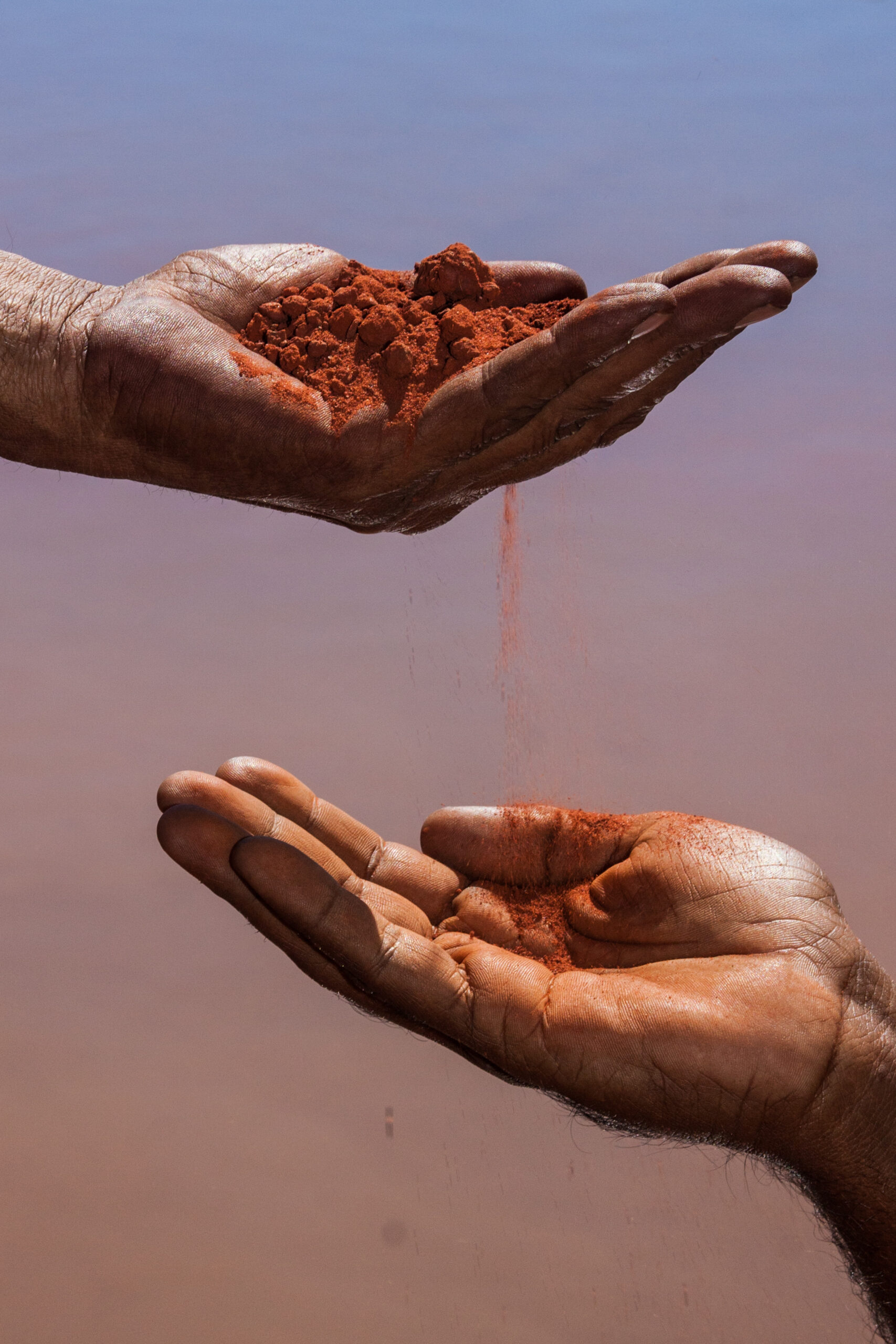
Low carbon liquid fuels are made from Country
Feedstocks are grown, harvested or recovered from lands and waters that are Country, held, managed and cared for by First Nations peoples, and processing sites are built on Country too. Genuine partnership follows frameworks already in place; it isn’t a blank page.
An international rights principle (UNDRIP), a certification standard (RSB), a data governance standard (CARE and Maiam nayri Wingara), and Australian law already set out what engagement with First Nations peoples looks like for projects on Country.
Carbon and clean energy projects show what partnership can look like. Published guidance from the Indigenous Carbon Industry Network (ICIN) and the First Nations Clean Energy Network (FNCEN) is cited here as precedent, not as either organisation’s assessment or endorsement of low carbon liquid fuels.
This Hub’s own proposal for genuine partnership, covering nine principles: from naming risks and rights through to benefit sharing, cultural heritage and dispute resolution.
Over 60 countries have low carbon liquid fuel policies
These include blending mandates, fuel standards, greenhouse gas performance requirements, and sustainability and certification frameworks.
Low carbon liquid fuels are a growing part of the fuel mix
By 2030, biofuels are projected to supply 6.4% of liquid transport fuel demand, while sustainable aviation fuel will meet 2% of aviation fuel demand.
Standards now shape most of the market
Performance standards and greenhouse gas thresholds now cover around 80% of global low carbon liquid fuel demand.
OUTLOOK
Why low carbon liquid fuels matter for Australia
Strengthen energy security
Increasing domestic production and use of low carbon liquid fuels can diversify fuel supply and reduce reliance on imported liquid fuels. This can lower exposure to volatile international fuel markets and supply risks.
Create regional and onshore value
Low carbon liquid fuels can create new demand for feedstocks, wastes and residues, support onshore processing, and generate regional jobs and additional income streams for agricultural industries.
Reduce greenhouse gas emissions
139+ countries now have net zero targets. Low carbon liquid fuels can help reduce greenhouse gas emissions in sectors that still rely on liquid fuels.
Meet rising international demand
Demand is being driven by government rules and mandates. In the European Union, ReFuelEU Aviation requires a 2% sustainable aviation fuel share from 2025, rising to 70% by 2050. FuelEU Maritime starts with a 2% reduction in greenhouse gas intensity in 2025, rising to 6% in 2030 and 80% by 2050.
Fit alongside electrification and efficiency
Reducing transport emissions involves several approaches: using less energy, switching to electricity where it fits, and lowering the emissions of the fuels that remain. Low carbon liquid fuels address the third. Low carbon liquid fuels are most relevant in sectors that still rely on liquid fuels, including aviation, maritime, heavy freight, rail and some industrial uses.
LCLFS IN THE VALUE CHAIN
From feedstock to flight, freight and beyond
Explore the feedstocks that can supply low carbon liquid fuel pathways.
Up to $250 million, the program, delivered by ARENA, supports pre-commercial innovation, demonstration and deployment of renewable energy and low emission technologies across the Priority of Low Carbon Liquid Fuels (LCLF).
GrantsProduction-linked grantsSupporting commercial operations (early stage and scale-up)
The $1.1 billion program, to be delivered by ARENA, will target support toward Low Carbon Liquid Fuels projects that are advanced in development, progressing toward a final investment decision and targeting production in the near future.
Key eligibility requirements
The program is not yet open for applications. You can now ‘Register your project’ via the Cleaner Fuels Program webpage.
GrantsProduction-linked grantsSupporting commercial operations (early stage and scale-up)
The program, delivered by ARENA across two funding rounds Round 1 (with up to $1.25 billion committed) and Round 2 (up to $1 billion budgeted), is designed to fund large-scale renewable hydrogen production projects to accelerate development of Australia’s renewable hydrogen industry, catalyse clean energy industries and help Australia connect to new global hydrogen supply chains.
DebtZero-interest loansSupporting construction, commercial operations (early stage and scale-up)
Through the $1 billion program, delivered by NRFC, eligible Australian businesses will have access to zero interest loans to support identified industries impacted by market disruptions, or help maintain and build national strategic and economic resilience.
Key eligibility requirements
There are two parts to the program:
Zero interest loans administered directly by a participating bank for companies who are seeking a loan of up to $5 million (note: Applications open from 20 April 2026 for six months or until allocations under the program have been exhausted.)
Zero interest loans administered by the NRFC for companies who are seeking a loan of more than $5 million.
To be considered eligible, businesses will need to demonstrate:
That they are an Australian manufacturing or logistics business (have an ABN)
That they are in an identified sector (see ANZSIC Code list)
That they have been materially impacted by market disruption (documentary evidence/customer attestation)
The Hydrogen Production Tax Incentive provides a refundable tax offset of $2 per kilogram of eligible renewable hydrogen produced in Australia. The incentive is jointly administered by the Australian Tax Office (ATO), which manages tax offset claims, and the Clean Energy Regulator (CER), which certifies production and verifies eligibility through the Guarantee of Origin (GO) Scheme.
Key eligibility requirements
Eligible company: Must be an Australian resident company (or a foreign company with a permanent establishment in Australia) that is subject to Australian income tax.
Certified production profile: The hydrogen must be produced under a production profile certified by CER through the GO Scheme.
Eligible renewable hydrogen: Hydrogen must be produced up to a maximum of 10 years in Australia between 1 July 2027 and 30 June 2040, must being producing hydrogen or take final investment decision on an eligible project prior to 1 July 2030, and have a registered Product Guarantee of Origin (PGO) certificate.
Operation capacity: a project must be at least equivalent to a 10-megawatt electrolyser.
Low emissions and compliance requirements: The hydrogen must have an emissions intensity of 0.6 kg CO₂ or less per kg of hydrogen and meet grid-matching requirements where applicable.
The CEFC is Australia’s specialist climate investor and has been focused on Australia’s alternative fuels sector (including Low Carbon Liquid Fuels and Hydrogen) for over a decade. Read more
With access to more than $33 billion from the Australian Government, the CEFC invests with commercial rigour and is governed by an independent board. Financing of LCLF is from the CEFC’s $11.5 billion General Portfolio.
Key eligibility requirements
Details around eligibility are available on the CEFC website and may depend on the nature of the project.
Biodiesel production facility at Barnawartha in north-east Victoria, operating since 2008 and run by Just Biodiesel, with ISCC certification since 2019. The BDI-designed plant has a capacity of 60 ML/year and can run on tallow, used cooking oil and vegetable oils including canola oil. In 2026 about 500 tonnes of its tallow-based biodiesel was exported to Singapore by HAMR Energy for a BHP and Global Centre for Maritime Decarbonisation (GCMD) pilot, blended 50:50 with used cooking oil biodiesel as a B100 marine fuel.
Prescribed project on Ampol’s existing diesel hydrotreater at the Lytton refinery to enable co-processing of biogenic feedstocks (tallow and canola oil) with conventional diesel to produce renewable diesel. The facility will be capable of producing 15 to 20 million litres of renewable diesel per year.
Bundaberg region / Isis Central Sugar Mill, Queensland
Capacity
About 60 ML/year
Pre-FEED/FEED program for a proposed Bundaberg biorefinery converting ~150 kt/y sugarcane residues into ~60 ML/y of low carbon liquid fuels – of which ~40 ML/y could be SAF, with the balance renewable diesel, naphtha and very low sulphur marine fuel.
Dedicated SAF blending terminal co-located at Toowoomba Wellcamp Airport, operated by Wagner Sustainable Fuels with Boeing and Singapore-based FlyORO providing modular AlphaLite blending technology. Reported as Australia’s first dedicated SAF blending terminal, commencing operations on 15 October 2025. Wagner is also reported as Australia’s first RSB-certified SAF company.
Second Jet Zero Australia biorefinery development, proposed for Yarwun near Gladstone, as a 50:50 joint venture with Apeiron Bioenergy. Targets approximately 400 ML/year of SAF and renewable diesel via the HEFA pathway, with the flexibility to swing between maximum aviation fuel production and a co-production mix supplying up to 320 ML/year of renewable diesel for the mining, marine, heavy transport and defence sectors. A feasibility study supported by the Australian Department of Foreign Affairs and Trade and Enterprise Singapore found a strong technical and commercial case. Jet Zero has executed a letter of intent with Gladstone Ports Corporation to integrate the project into existing port infrastructure and is finalising a land deal with Economic Development Queensland for a site in the Gladstone State Development Area.
Proposed commercial-scale facility gasifying and gas-fermenting waste to ethanol and converting it via alcohol-to-jet (ATJ), using the LanzaTech and LanzaJet CirculAir platform. Targets about 102 ML/year SAF and 12 ML/year renewable diesel. Equity investment from Boeing confirmed August 2024, with $760,000 in Queensland Government feasibility support.
Commonwealth Scientific and Industrial Research Organisation (CSIRO), prepared in partnership with the Australian Government
CSIRO report, prepared in partnership with the Australian Government, outlining opportunities for a low carbon liquid fuel industry in Australia and identifying priorities to progress projects from development through to commercial scale.
Australian Government, Department of Climate Change, Energy, the Environment and Water (DCCEEW)
Australian Government sector plan setting the pathway for the electricity and energy sector to deliver net zero by 2050, including the role of low carbon liquid fuels in hard-to-abate transport.
IEA annual market report providing analysis and forecasts to 2030 for renewable electricity, transport biofuels and renewable heat across global markets.
Australian Government, Bureau of Infrastructure and Transport Research Economics (BITRE), Department of Infrastructure, Transport, Regional Development, Communications, Sport and the Arts (DITRDCSA)
BITRE statistical yearbook covering Australian transport and infrastructure activity, including freight, passenger and modal data used to understand fuel demand and decarbonisation baselines.
EU ReFuelEU Aviation regulation setting minimum sustainable aviation fuel supply obligations at EU airports, including blending target trajectories and compliance and reporting requirements.
EU FuelEU Maritime regulation setting greenhouse gas intensity limits for energy used on board ships, with rules and incentives that support uptake of renewable and low carbon marine fuels.
Australian Government, Bureau of Infrastructure and Transport Research Economics (BITRE), Department of Infrastructure, Transport, Regional Development, Communications, Sport and the Arts (DITRDCSA)





 Capacity60 ML/yearBiodiesel production facility at Barnawartha in north-east Victoria, operating since 2008 and run by Just Biodiesel, with ISCC certification since 2019. The BDI-designed plant has a capacity of 60 ML/year and can run on tallow, used cooking oil and vegetable oils including canola oil. In 2026 about 500 tonnes of its tallow-based biodiesel was exported to Singapore by HAMR Energy for a BHP and Global Centre for Maritime Decarbonisation (GCMD) pilot, blended 50:50 with used cooking oil biodiesel as a B100 marine fuel.