
Storage, transport and blending are the practical link between producing low carbon liquid fuels (LCLFs) and using them in real-world operations. They determine how fuels reach end users, what infrastructure is needed along the way, and how quickly supply can scale.
Explore
Australian context
Most low carbon liquid fuels move through the same terminals, tankers, pipelines and depots that carry conventional fuels. What changes is where blending happens, how products are kept separate, and what checks are needed to keep a fuel within its specification from the production plant or the port through to the point of use. This infrastructure also underpins Australia’s fuel security framework, which sets minimum stockholding obligations for key fuels.
Blending already happens here
Ethanol is blended into petrol and biodiesel into diesel at Australian terminals and depots today. For many low carbon liquid fuels the blending step is an extension of existing practice rather than a new capability.
Storage is policy dependent
Under the Fuel Security Act 2021, importers and refiners must hold minimum volumes of petrol, diesel and jet fuel in Australia. This minimum stockholding obligation influences how much tankage exists, where it is, and how it is used.
Entry points already exist
Fuel arriving by ship is received, stored and in many cases blended at coastal terminals before distribution.
Distances are long
Demand is spread across a large land mass and much of it is inland or remote. Fuel typically moves in bulk by coastal shipping and, where available, pipeline, then by road tanker and rail for the final leg.
How fuels fit with existing infrastructure
Low carbon liquid fuels may be produced domestically or imported as finished fuels or blend components, and in Australia they can move through several storage, transfer and blending points before reaching end users, including ports, import terminals, bulk terminals and depots, refinery sites, commercial customers and retail facilities.
Matches the specification of the fuel it replaces, so it works in existing engines, storage and distribution. It can be used on its own or blended. Any blend limit, such as for SAF today, comes from a fuel property, not because the fuel is incompatible.
Examples: renewable diesel, SAF, co-processed fuels
Chemically different from the fuel it replaces, so it uses the same infrastructure but only up to a set blend level. Blends are named by the low carbon share, so E10 is 10% ethanol and B20 is 20% biodiesel.
Examples: bioethanol, biodiesel
Not compatible with existing engines and fuel systems, so it needs its own storage and refuelling or bunkering infrastructure. Mostly shipping and heavy industry.
Examples: renewable methanol, renewable ammonia, bio-LNG and e-LNG
Some fuels sit in more than one group depending on how they’re used. Methanol, ethanol, syngas and biomethane also move as intermediates rather than finished fuels.
Blending locations
Blending combines a low carbon liquid fuel component with a conventional fuel to make a finished fuel that meets the relevant specification. Where it happens affects cost, the blend levels that can be reached, and how quickly supply can scale.
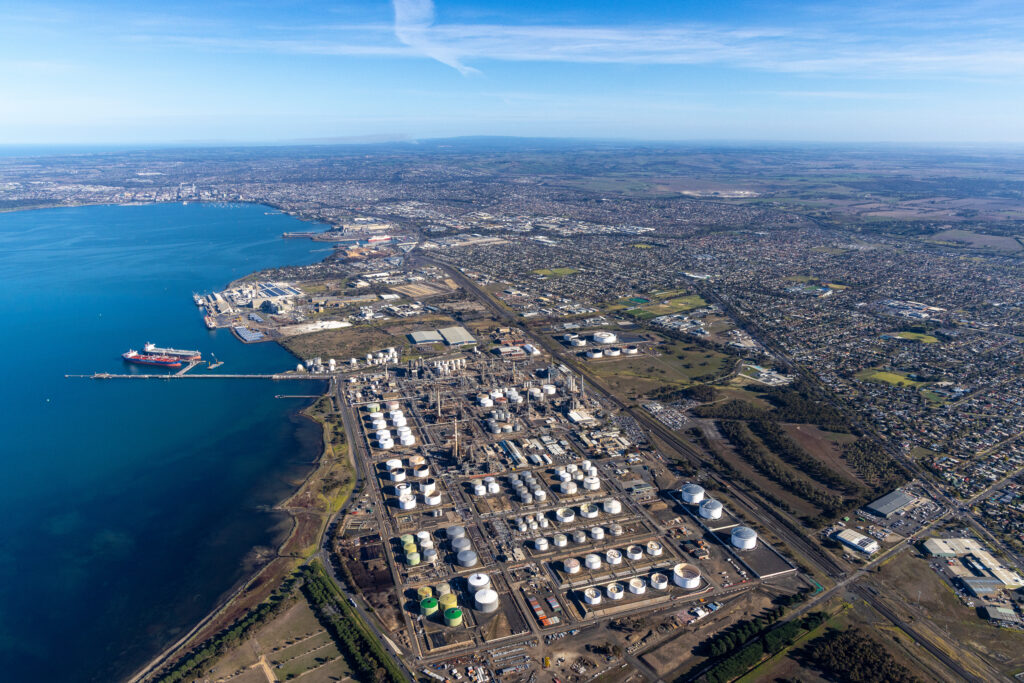
At the production site or refinery
Where the component is made, or where it leaves a refinery already blended into the fuel stream.
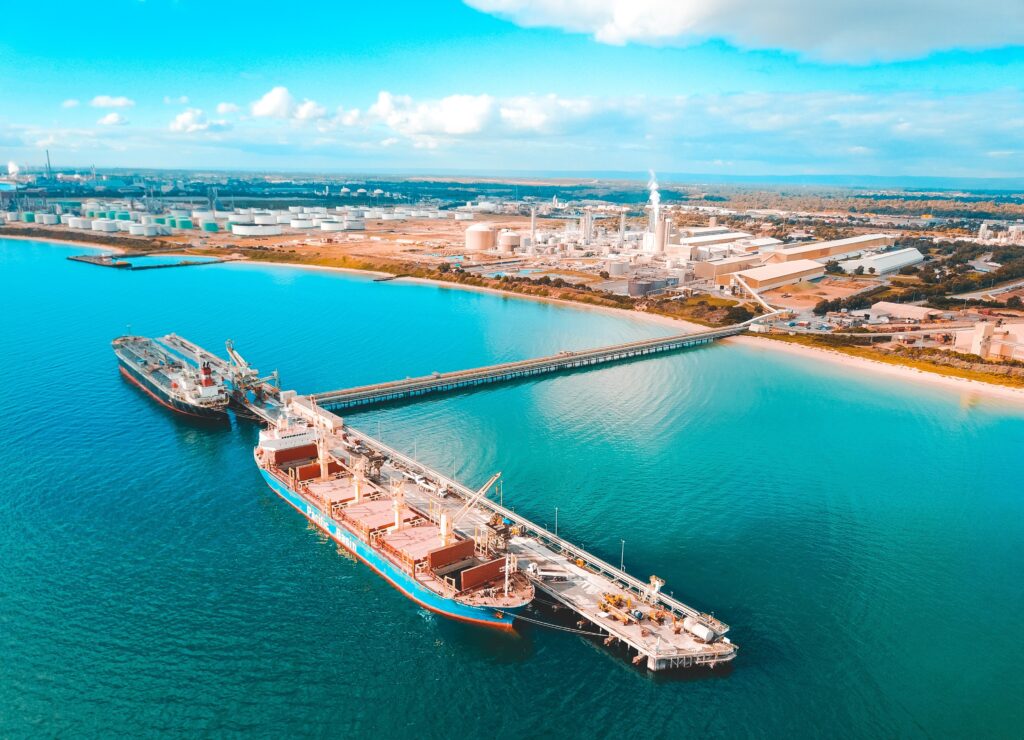
At an import or bulk terminal
The most common blending point. Terminals hold both the base fuel and the component, and can test and release the finished blend.

At a depot or point of delivery
Smaller volumes blended closer to the customer, including for fleets and remote sites.
Keeping a fuel’s certified status
Storage, transport and blending have to protect two things established earlier in the supply chain.
Fit for use
The finished fuel has to still meet its standard when it reaches the user. Blends are tested and released against the specification, and segregation and tank cleanliness protect the fuel after that.
Origin and emissions claims
Claims about how a fuel was made travel with documentation, not with the fuel itself. Chain of custody models set out how a claim passes along when consignments are stored and blended together.
Storage and handling considerations
Fuels behave differently in storage. This is often what separates a straightforward substitution from one that needs investment.
Keep exploring
Resources
A selection from the library related to this page.