
Low carbon liquid fuels (LCLFs) are liquid fuels that have lower greenhouse gas emissions across their life cycle than the conventional fossil fuels they replace. They can be made from a range of feedstocks and energy sources, including agricultural biomass, waste oils and fats, and renewable electricity combined with captured carbon dioxide (CO₂). A single production pathway usually makes more than one fuel.
Explore
Browse by fuel category
The four categories below group fuels by the conventional fuel they replace and how they are used.
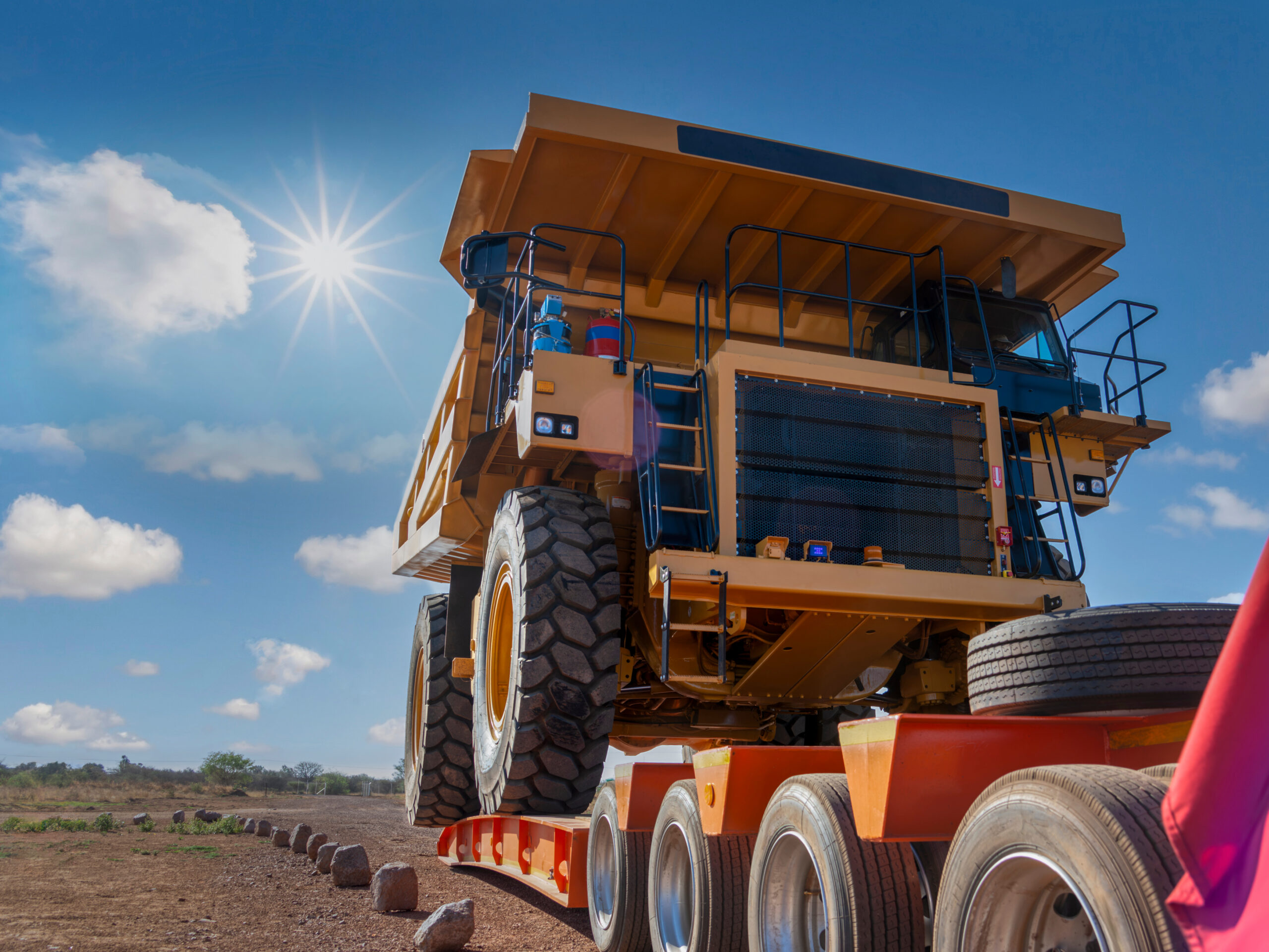
Diesel Fuels
Low carbon liquid fuels that replace or extend conventional diesel in compression-ignition engines.
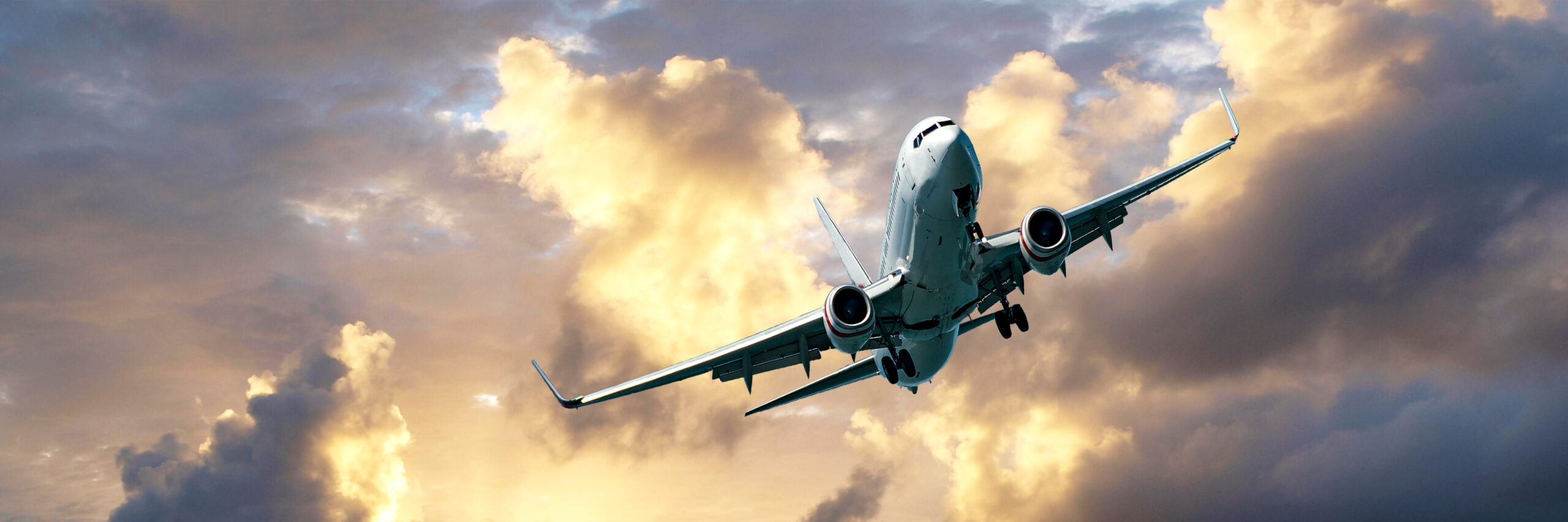
Sustainable Aviation Fuels (SAF)
Aviation turbine fuels that meet a recognised synthetic fuel specification and can be blended with conventional jet fuel for use in existing aircraft and airport infrastructure.
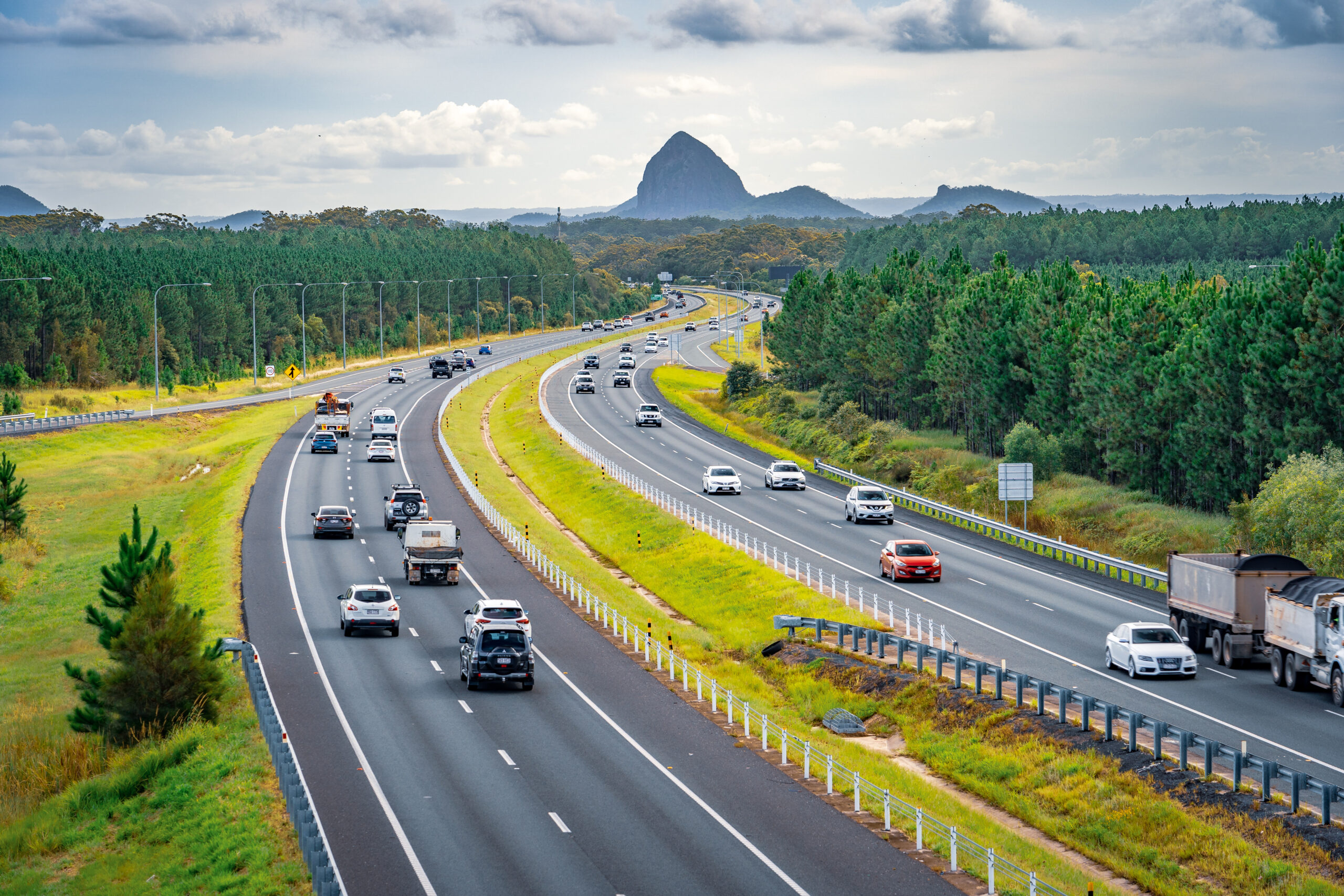
Alcohol Fuels
Low carbon liquid fuels that replace or extend conventional petrol in spark-ignition engines, including alcohol blends.
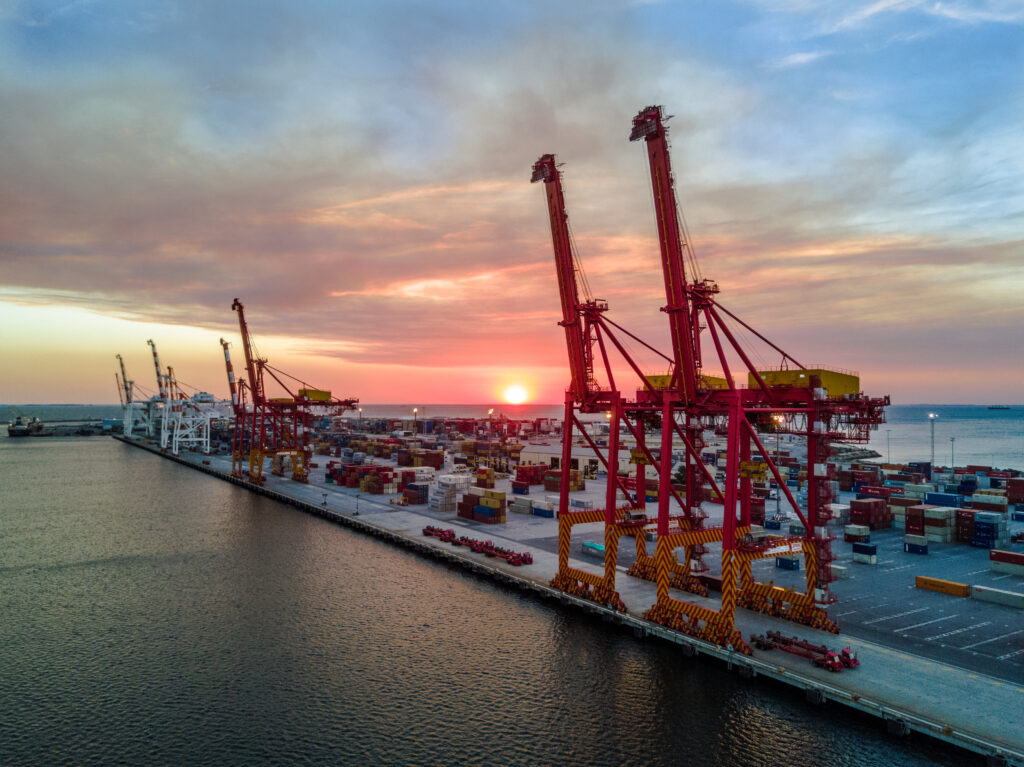
Shipping, Industry & Emerging Fuels
Fuels that need dedicated engines, fuel systems and bunkering infrastructure. Their main current market is shipping, but several have additional uses in heavy industry.
Precursors and intermediates
Some products are stepping stones rather than finished fuels. They are made partway along a pathway and then upgraded or converted into the fuels above. A few, such as methanol and ethanol, are also fuels in their own right.
Methanol
A liquid made from syngas, or from renewable hydrogen and captured carbon dioxide. It is a shipping fuel in its own right and a building block for other fuels.
Used to makeDimethyl ether (DME)Petrol-range fuel (methanol-to-gasoline)Sustainable aviation fuel (methanol-to-jet, approved in 2026)
Ethanol
Made by fermenting sugars and starches, and increasingly from crop and forestry residues. It is blended into petrol today and is the starting point for the alcohol-to-jet pathway.
Used to makePetrol blends (E10, E85)Sustainable aviation fuel (alcohol-to-jet)
Syngas
A mixture of hydrogen and carbon monoxide, made by gasifying biomass or waste at high temperature, or from renewable hydrogen and captured carbon dioxide. It cannot be used as a fuel directly.
Used to makeFischer-Tropsch fuels (sustainable aviation fuel, renewable diesel, naphtha)Methanol
Biomethane
Biogas from anaerobic digestion of manure, food waste or sewage, with the carbon dioxide removed so it matches natural gas.
Used to makeBio-LNG (biomethane cooled to a liquid)Bio-methanol (via syngas)Renewable hydrogen
Hydrogen
Made by splitting water with renewable electricity (electrolysis), or from biomass or biomethane, rather than from fossil gas. It is an input to fuel-making rather than a fuel intermediate: it is combined with captured carbon dioxide to make e-fuels, and it is consumed when oils and fats are upgraded.
Used to makeE-fuels (e-methanol, e-diesel, e-jet)Renewable ammoniaRenewable diesel and HEFA SAF (as the hydrogen used in upgrading)
Bio-oil and biocrude
Thick, crude liquids made by heating biomass quickly without oxygen (pyrolysis, giving bio-oil) or in hot pressurised water (hydrothermal liquefaction, giving biocrude). Both must be upgraded with hydrogen, often in an existing refinery, before they can be used.
Used to makeRenewable dieselSustainable aviation fuelCo-processed refinery fuels
Multi-fuel pathways
A single production pathway usually makes more than one fuel. The same facility, using the same feedstock and the same core process, can produce a slate of products that spans the diesel, jet, petrol and specialised fuel categories.
Fuel Category
Diesel fuels
Jet fuels
Petrol fuels
Specialised low carbon fuels
Feedstock
Processing
Intermediate & upgrading
Final fuels
Pathway 1
Hydroprocessed esters and fatty acids (HEFA)
Fats & oils
- Tallow
- Used cooking oil
- Canola oil
Hydroprocessing
Hydrogen and heat strip oxygen from oils, fats and greases to make hydrocarbons.
Hydrocarbon mix
A blend of hydrocarbons is distilled (fractionated) into petrol-, jet- and diesel-range cuts.
HEFA renewable diesel
HEFA sustainable aviation fuel (SAF)
HEFA renewable naphtha
Pathway 2
Gasification + Fischer–Tropsch (FT) synthesis
Lignocellulosic biomass
- Forestry residues
- Agriculture residues (sugarcane bagasse, cereal straw, cotton gin trash)
- Energy crops (grasses, woody crops)
Gasification
Biomass is broken down at high heat into synthesis gas.
Fischer–Tropsch synthesis
Hydrogen and carbon monoxide in the syngas are built into long-chain hydrocarbons, then hydrocracked and distilled into fuel cuts.
FT diesel
FT sustainable aviation fuel (SAF)
FT naphtha
Pathway 3
Fermentation + alcohol-to-jet (ATJ)
Sugars & starches
- Sugarcane molasses
- Grain starch (wheat, corn, barley, sorghum)
Fermentation
Microbes ferment sugars and starch into ethanol.
Ethanol
Used directly as a petrol blend, or upgraded through alcohol-to-jet (ATJ) into jet-range and diesel-range hydrocarbons.
Bioethanol (petrol blend)
ATJ sustainable aviation fuel (SAF)
ATJ renewable diesel
Pathway 4
Electrolysis + fuel synthesis (power-to-liquids / e-fuels)
Renewable electricity + captured CO₂
- Wind, solar or other renewable power
- CO₂ from biogenic, industrial or direct-air capture sources
Electrolysis
Electricity splits water into renewable hydrogen.
Fuel synthesis
Renewable hydrogen is combined with captured CO₂ to form liquid fuels.
e-diesel
e-SAF
e-methanol
e-naphtha
Standards and certification
Fuel quality standards set the technical specifications a fuel must meet to be used safely in particular equipment. They say nothing about how the fuel was made or what its emissions are. Separate frameworks cover that, and they do different jobs: emissions accounting schemes measure and verify the emissions associated with producing a batch of fuel across its life cycle, while sustainability certification schemes set environmental and social criteria for feedstocks, production and chain of custody. Meeting a fuel quality standard and holding an emissions or sustainability certificate are independent of each other, though fuel supplied into most markets needs both.

Keep exploring
Resources
A selection from the library related to this page.