
Australia runs on liquid fuels: they power the aircraft, ships, trucks, trains and machinery that move people, food and freight. Low carbon liquid fuels (LCLFs) release fewer greenhouse gases across their full life cycle than the conventional fuels they replace, and they matter most in the sectors that are hardest to run on electricity.
These names are in common use in industry and media. Whether any individual fuel is renewable or sustainable depends on how it is produced, and the standard against which it is assessed. This Hub uses low carbon liquid fuels, the term most widely used in Australian Government documents.
Explore
What a liquid fuel is
A fuel is a material that stores chemical energy. An engine burns the fuel to release that energy and turn it into motion. Liquid fuels carry a lot of energy in a small space and can be stored and moved at ordinary temperatures. That is why the world’s vehicles, depots and pipelines were built around them. Today there are two kinds.
Petrol, diesel and jet fuel are refined from crude oil. Crude oil formed underground over millions of years, from the remains of ancient plants and sea life. This is why they are described as fossil fuels.
Carbon that accumulates
The carbon in conventional fossil fuels has been locked underground for millions of years. Burning them releases that stored carbon as carbon dioxide. It then builds up in the air.
The same kinds of fuel, made instead from renewable materials: plant oils and animal fats, sugars and grains, crop and forestry leftovers, and even captured carbon dioxide. The finished fuel does the same job in the engine.
Carbon that circulates
Plants take in carbon dioxide from the air as they grow. That carbon stays in the plant, and in the products made from it. When a fuel made from those plants is burned, the carbon dioxide goes back into the air. The next crop can take it up again.
Not every feedstock is grown. E-fuels are made from carbon dioxide captured from the air, and waste feedstocks reuse carbon that is already in circulation. Either way, no new carbon comes up from underground.
Burning any carbon-based fuel releases carbon dioxide. What differs between fuels is where that carbon came from, and whether it was already moving through the air. That is why fuels made from renewable feedstocks can have lower emissions over their whole life. How much lower depends on the feedstock, and on how the fuel is made and moved.
Why we need liquid fuels
Almost all of the world’s aircraft, ships, heavy trucks and agricultural machinery run on liquid fuels refined from crude oil. In Australia, around 59 billion litres of transport petroleum products are sold each year .
Batteries are changing how cars are powered, and hydrogen is being explored for some uses. So why do liquid fuels still matter? Some jobs need a large amount of energy carried in a small, light package. A loaded aircraft, a ship crossing an ocean, or a harvester working far from the grid cannot yet run on batteries alone. The battery would be too big and too heavy for the work.
Liquid fuels store more energy for their weight than any battery available today, and they can be stored and moved in equipment that already exists. That is why lower carbon versions of them matter.
Electricity + batterieselectric motors
An electric motor is powered by electricity stored in a battery, charged from the grid. Electric motors waste very little energy, and running costs are low. Batteries suit cars and shorter, predictable routes well. For heavy vehicles working long days, or aircraft and ships, the battery needed becomes very large and heavy, and with current technology the charging times do not suit every work pattern. Battery and charging technology is improving, so where that line sits is changing.
Hydrogenfuel cells or engines
Hydrogen is a gas that can be made by splitting water using electricity. It can power a vehicle through a fuel cell, which turns it back into electricity, or be burned in an engine. It is very light for the energy it carries, but takes up a lot of space, so it needs large high-pressure or very cold tanks, and new refuelling infrastructure. It is being trialled for trucks, trains and ships.
Liquid fuelsincluding low carbon
Liquid fuels carry the most energy for their weight and volume of the three, and they work in the engines, tanks and pipelines that already exist. That makes them hard to replace for aircraft, ships and heavy machinery working far from the grid. Low carbon liquid fuels are the way to keep doing those jobs with lower emissions.
Types of low carbon liquid fuels
Australia’s low carbon liquid fuels fall into four families. Go to each family’s page to see how they are made.
Diesel fuels
For the trucks, tractors, trains and site equipment that run on diesel today.
Renewable dieselBiodieselExploreSustainable aviation fuel
Blended with conventional jet fuel and flown in today’s aircraft.
HEFAAlcohol-to-jetFischer-TropschExploreAlcohol fuels
Blended into petrol for cars and light vehicles, such as E10.
BioethanolIsobutanolExploreShipping, industry & emerging fuels
For ships and heavy industry, using purpose-built engines and fuel systems.
Renewable methanolRenewable ammoniaExploreHow they fit existing equipment and engines
Low carbon liquid fuels differ in the amount of changes needed to the vehicles and infrastructure in use today. This schematic groups them into three levels of compatibility, from drop-in fuels that work without any modifications through to fuels that need purpose-built infrastructure.
Matches the specification of the fuel it replaces, so it works in existing engines, storage and distribution. It can be used neat on its own or blended.
Examples: renewable diesel, SAF, co-processed fuels
Chemically different from the fuel it replaces, so it uses the same infrastructure but only up to a set blend level. Blends are named by the low carbon share, so E10 is 10% ethanol and B20 is 20% biodiesel.
Examples: bioethanol, biodiesel
Not compatible with existing engines and fuel systems, so it needs its own storage and refuelling or bunkering infrastructure. Mostly shipping and heavy industry.
Examples: renewable methanol, renewable ammonia
How a feedstock becomes a low carbon liquid fuel
The raw materials used to make a fuel are called feedstocks, and Australia produces many of them. Different feedstocks follow different production routes, but each route follows the same pattern: the feedstock is prepared into an intermediate product, and a conversion process then turns that intermediate into finished fuel.
Ethanol has been made from Queensland sugar-mill molasses since 1927 . Ethanol also blends into everyday petrol.
How fuel gets to you
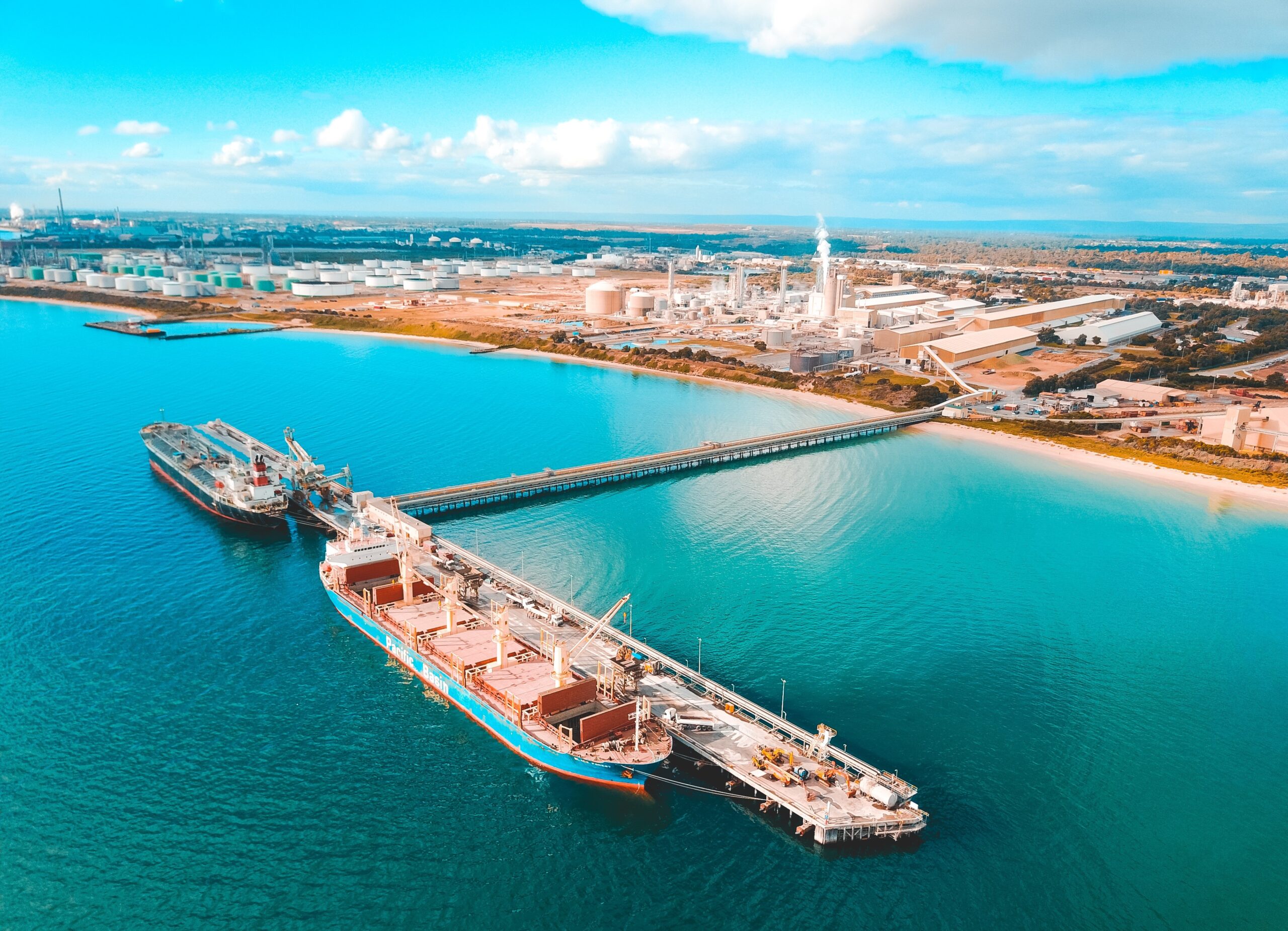
Whether it is made in Australia or imported, fuel makes the same journey before it reaches an engine. Low carbon liquid fuels use this same system.
Potential benefits and important considerations
Potential benefits
- Lower emissions from the planes, ships, trucks and machinery that are hardest to run on electricity, using engines and fuel systems that already exist.
- Greater fuel security: more fuel made here means less reliance on imports.
- New value for regional Australia, turning crops, wastes and residues into products made and used onshore.
Important considerations
- These fuels currently cost more to make than conventional fuels, and the projections above depend on the industry growing as modelled.
- Feedstocks often have other uses, such as food and animal feed, so what is grown and used matters.
- Emissions savings depend on how a fuel is made, which is why fuels are assessed across their whole life cycle.
Where are low carbon liquid fuels used?
Every sector uses fuel differently, depending on its engines, equipment and the infrastructure already in place.
Agriculture
Feedstocks, fuel use and regional opportunities.
ExploreAviation
Fuel use, fuel options and key requirements.
ExploreConstruction
Fuel use, fuel options and machinery needs.
ExploreMaritime
Fuel use, fuel options and port logistics.
ExploreNatural Resources
Fuel use, fuel options and emerging opportunities.
ExploreRoad
Fuel use, fuel options and freight operations.
ExploreRail
Fuel use, fuel options and operational needs.
ExploreStill have a question?
The Hub Assistant answers questions using material prepared and reviewed by the Hub team, or you can browse the frequently asked questions.
Resources
A selection from the library related to this page.
Keep exploring
Go deeper wherever suits: the fuels themselves, the journey they take, or the projects already under way.