
Low carbon liquid fuels (LCLFs) can be produced from agricultural and forestry products, as well as from residues, by-products and wastes . Some feedstocks sit within existing food and fibre supply chains, for example sugars, starches or oils from crops. Other feedstocks use material that would not normally be used for food or feed, such as straw, manure, municipal organic waste or used cooking oil.
When managed under recognised certification schemes, low carbon liquid fuel supply chains can contribute to emissions reduction goals while supporting productive food, feed, fibre and fuel production .
Explore
Why this matters in Australia
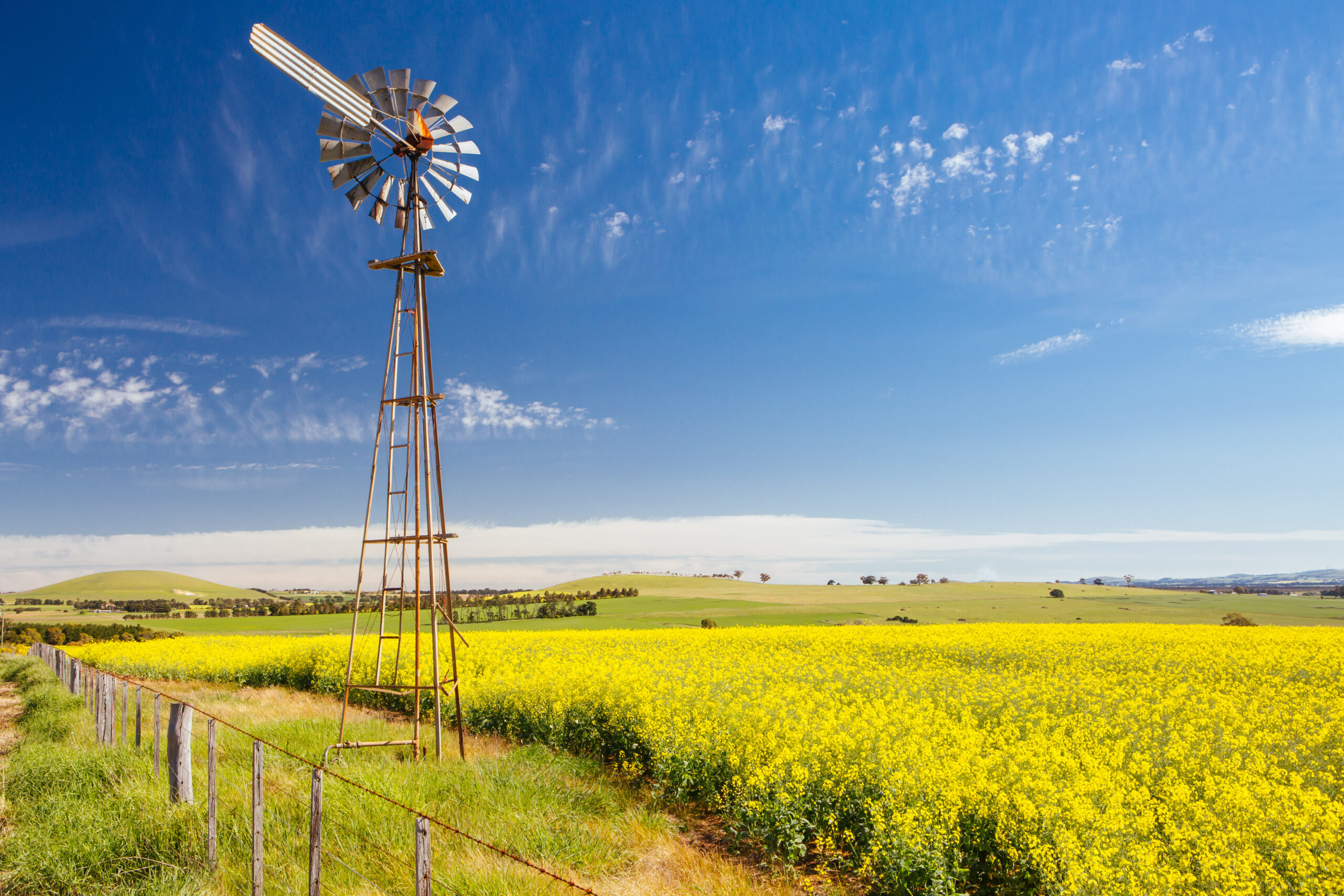
Australia exports $3.9 billion of liquid fuel feedstocks (including canola and tallow) to be processed offshore . Australian agriculture also produces substantial residues (cereal straw, sugarcane bagasse) and waste streams (used cooking oil, organic municipal waste) that are already feedstock candidates for low carbon liquid fuels (LCLFs) .
In the Australian context, industry analyses argue the food-fuel-fibre relationship is less about choosing between them and more about how the same biomass system supports multiple outputs .
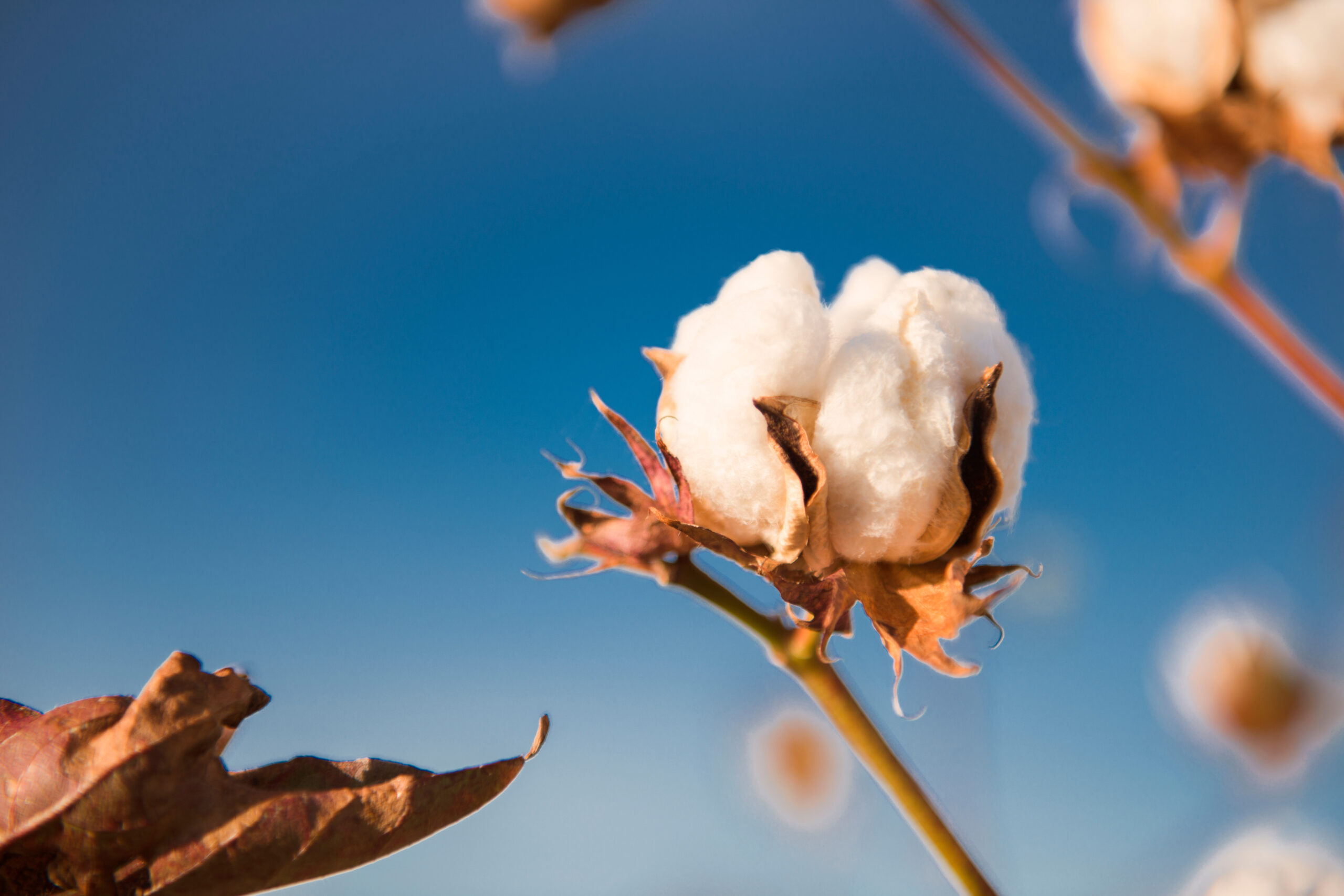
Does making fuel from crops affect food prices and supply?
Food, fuel and fibre produced from the same biomass system
In agriculture and forestry, a single supply chain can produce multiple outputs in addition to the main product, including by-products (or co-products), residues and waste streams. Many fuel conversion pathways use only one component of a crop (starch, sugar or oil), leaving other components available for food and feed markets .
Fuel generations and land use
LCLFs can be broadly grouped into four generations based on their feedstock and production technologies; the boundaries between generations can overlap, and definitions vary slightly between sources . Later generations use feedstocks progressively further from the dinner table.
2Second-generation
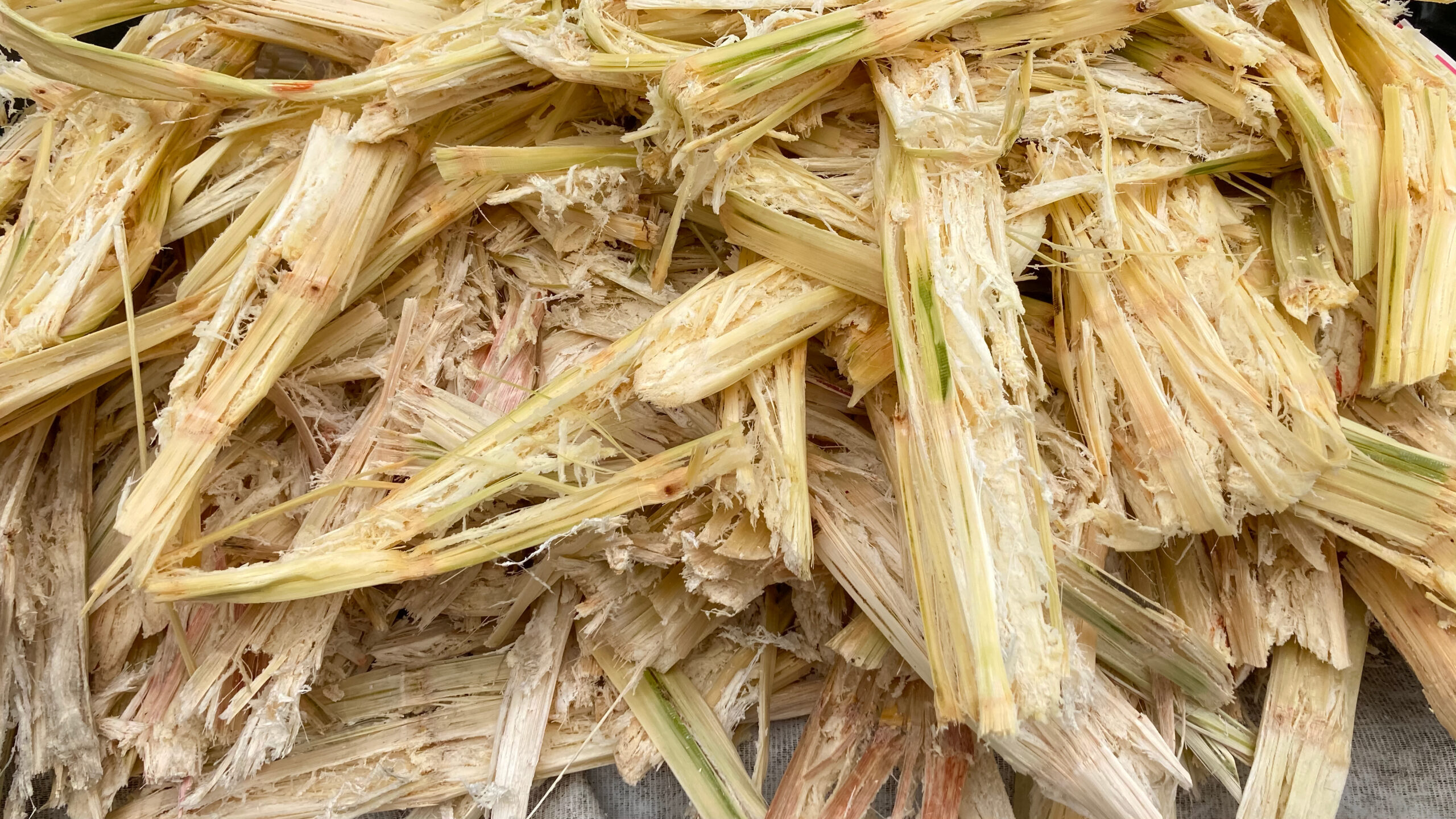
Use lignocellulosic biomass (the woody, non-edible parts of plants) including agricultural residues, forestry residues and some municipal and industrial organic wastes. These pathways can reduce additional demand for arable cropland compared with expanding crop-based fuels, provided residues and wastes are sourced sustainably and do not displace existing uses .

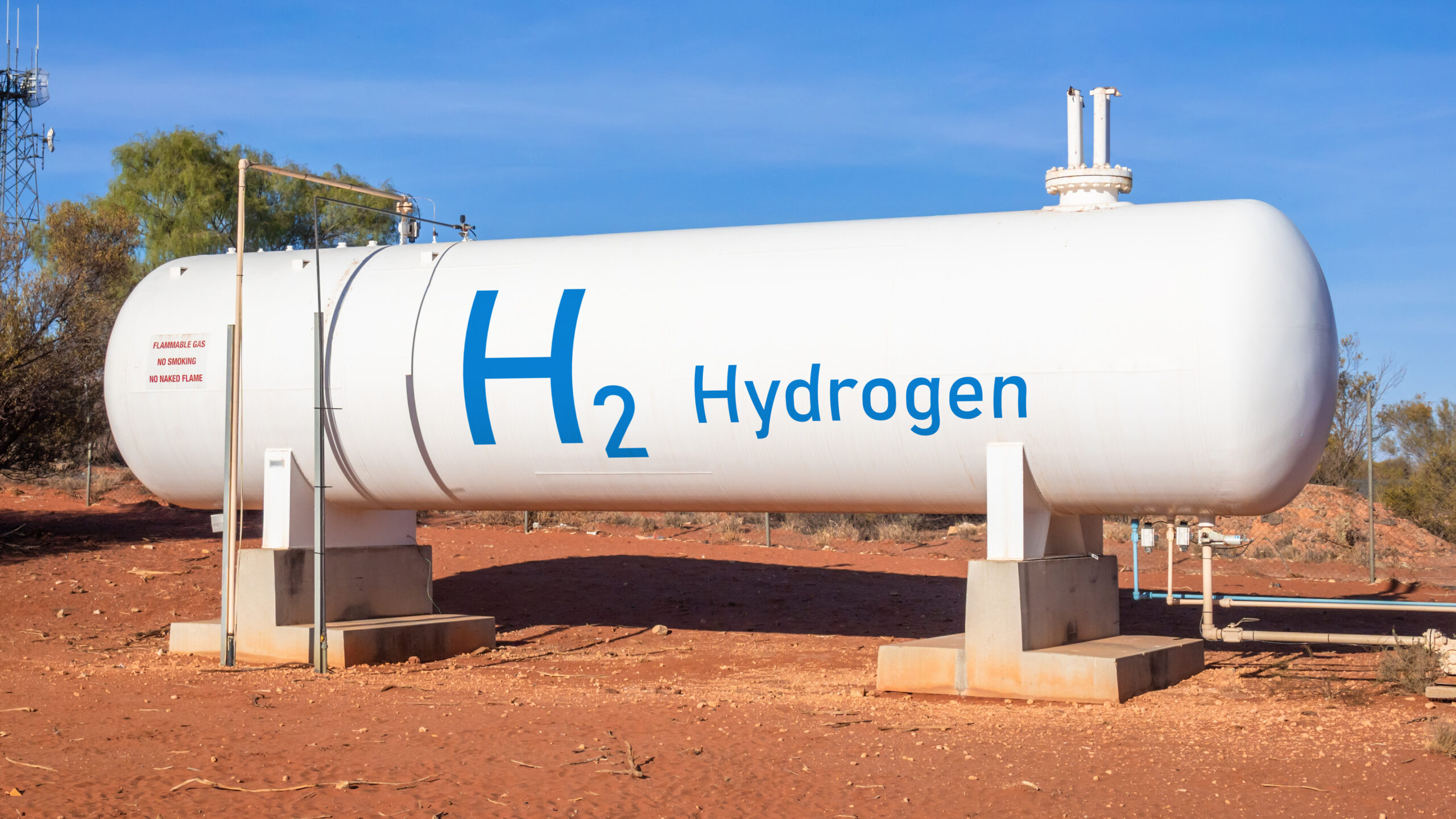
Looking ahead, the International Energy Agency (IEA) projects that sustainable fuels could nearly quadruple by 2035, if current and proposed policies are fully implemented . By then they would cover around 10% of global road transport, 15% of aviation and 35% of shipping fuel demand . The IEA’s figures cover liquid and gaseous fuels made from wastes, residues and crops that do not compete with food production .
Keep exploring
Resources
A selection from the library related to this page.