
Australia’s low carbon liquid fuel opportunity, from feedstock paddocks to project and processing sites, sits on lands and waters that are Country, held, managed and cared for by First Nations peoples. It opens with an Acknowledgement of Country, then sets out the context, the frameworks behind it, what that looks like in practice, and nine principles for partnership drawn from published guidance and certification frameworks.
Prepared by New Era Energy. Draws on published guidance from the Indigenous Carbon Industry Network (ICIN) and the First Nations Clean Energy Network (FNCEN) as precedent. The cited networks have reviewed the content but have not endorsed its application to low carbon liquid fuels, as community consultation has not yet been undertaken.
Explore
Acknowledgement of Country
The Low Carbon Liquid Fuels Knowledge Hub acknowledges the Traditional Owners and Custodians of Country throughout Australia, and their continuing connection to land, waters and community. We pay our respects to Elders past and present.
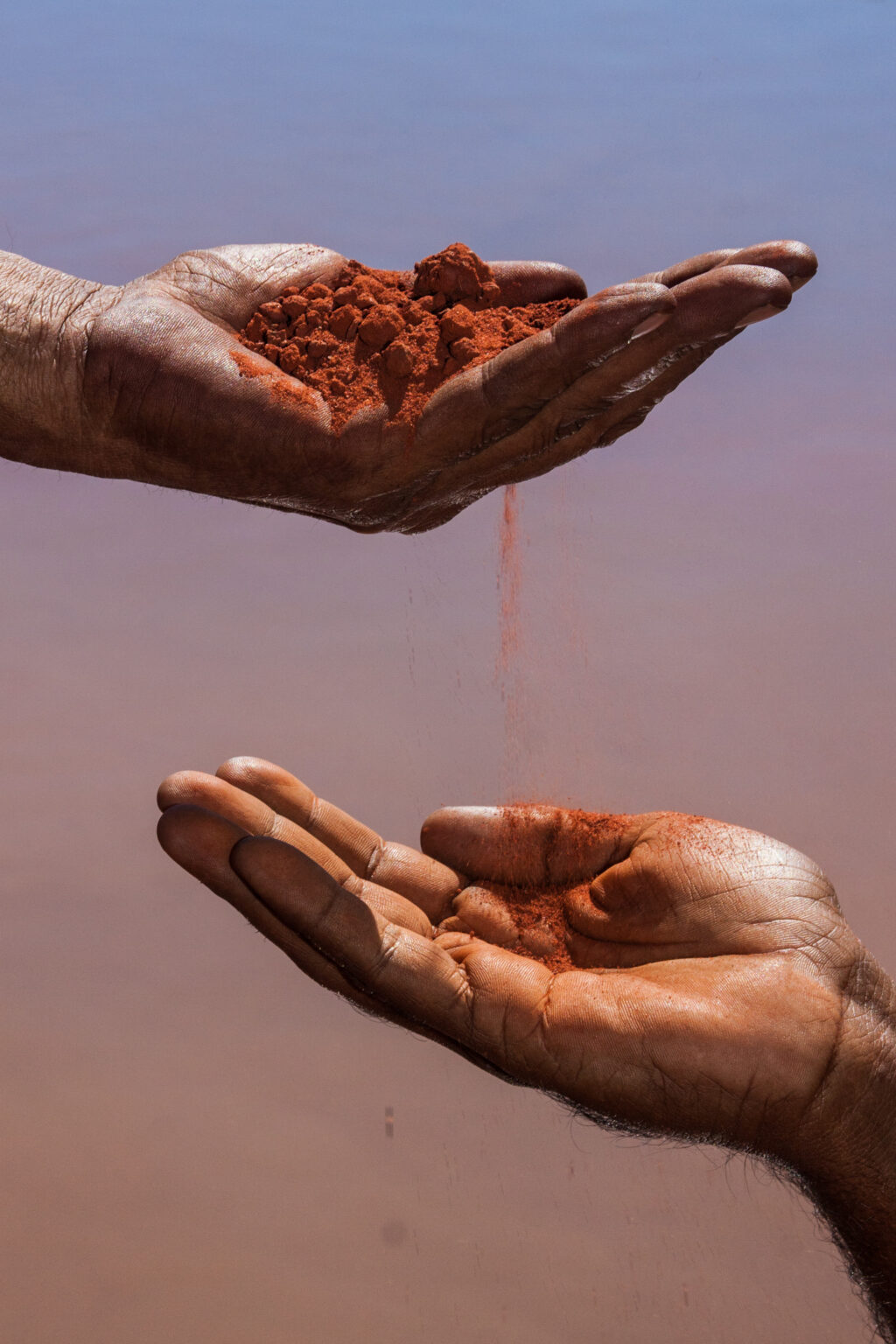
Low carbon liquid fuels are made from Country. Their feedstocks are grown, harvested, collected or recovered from lands and waters across Australia, and the facilities that process them are built on Country.
Aboriginal and Torres Strait Islander peoples hold rights and interests across a substantial share of the Australian land mass, and hold knowledge of these landscapes and waters developed over tens of thousands of years.
How this industry develops, where it is located and who benefits from it are questions in which First Nations peoples have a direct and continuing interest.
Who this page is for
This is a starting point for anyone working in or affected by low carbon liquid fuels: project developers, researchers, investors, and First Nations communities and organisations themselves. The information is drawn from international, Australian and industry frameworks, and from guidance published by First Nations-led organisations working in clean energy and carbon.
First Nations Clean Energy Strategy 2024–2030
A framework for First Nations participation in Australia’s clean energy transition, released by Australia’s energy ministers in December 2024 following a national engagement process the First Nations Clean Energy Network (FNCEN) helped facilitate. It does not cover low carbon liquid fuels specifically.
Indigenous Carbon Industry Network (ICIN) guidance
ICIN’s published carbon-industry guidance for Indigenous carbon projects also does not cover low carbon liquid fuels.
The nine principles below are this Hub’s proposal for what genuine partnership could look like in this industry, drawing on international frameworks, Australian law, and precedents from FNCEN’s and ICIN’s published work in adjacent industries.
The frameworks behind these principles
Four frameworks sit behind these principles, each at a different level: an international rights principle (UNDRIP), a certification standard (RSB), a data-governance standard (CARE and Maiam nayri Wingara), and Australian law.
Where these frameworks sit
Grouped by whether a project must comply (Australian law) or is voluntarily adopting a published standard. Select a tile to see how each applies in practice.
Mandatory: Australian law
Voluntary: standards & published guidance
Project level
An individual low carbon liquid fuels feedstock or production project. Where engagement, benefit-sharing, certification, data-governance and legal requirements actually get tested. A project must clear the mandatory layer above regardless, and is expected to adopt the voluntary layer as best practice.
Precedents from other industries
Two industries with published First Nations partnership guidance, cited here as precedents for low carbon liquid fuels: not as an assessment or endorsement of this industry by either organisation. None of this is specific to low carbon liquid fuels; the sector is still developing, which is an opportunity to build equitable First Nations partnership in from the start. Carbon and clean energy projects offer published precedents for what elements of that can look like in practice.
Carbon
Indigenous Carbon Industry Network (ICIN)
A network of First Nations-owned organisations running carbon projects across northern Australia. Its published guidance on governance and agreement-making shows what First Nations-led delivery can look like in an adjacent industry, cited here as a precedent for this industry, not as ICIN’s assessment of it.
Clean energy
First Nations Clean Energy Network (FNCEN)
A national coalition that publishes best-practice and co-ownership guidance for clean energy projects. FNCEN’s work to date has focused on the broader clean energy transition rather than low carbon liquid fuels specifically; its published principles are cited here as a precedent for this industry, not as FNCEN’s assessment of it.
These are examples, not endorsed contact points; the right organisation to speak with depends on the Country and the project.
Where to start
Identify who speaks for Country
Search the National Native Title Tribunal’s determinations register, then contact the relevant Prescribed Body Corporate, Land Council or Native Title Representative Body.
Read the published guidance
Read the First Nations Clean Energy Network’s Best Practice Principles and its co-ownership guide, and ICIN’s Guidance on Agreement Making for Indigenous Carbon Projects.
Engage early
Then engage, before the project design is confirmed. Early engagement means the project can still change in response to what communities say.
Nine principles for partnership
These nine principles are proposed by this Hub, not by any single framework or organisation, grounded in the frameworks above and, where available, the published guidance of First Nations-led organisations as precedent. Citing an organisation’s work here means it informed this proposal, not that the organisation has assessed or endorsed this list for low carbon liquid fuels.
Select a principle below to see the concept behind it and the specific citation it operates under. These apply equally whether you’re a project proponent or a First Nations person or group considering involvement in one.
Australian law
Legally binding (some conditional on seeking Commonwealth support).
Framework
International and certification standards (UNDRIP, RSB, CARE/MnW): not legally binding.
Precedent
Published guidance from First Nations-led organisations (FNCEN, ICIN): cited as precedent, not endorsement of this industry.
This reflects the published positions of First Nations-led peak organisations, not a claim to represent every First Nations person, community or Traditional Owner group. Project-level engagement still starts fresh with the appropriate representative body for that Country.
How the Hub applies this to itself
This Hub applies the same standards to its own content. This page itself is analysis and synthesis of publicly published frameworks, not first-hand First Nations knowledge, story or cultural material, so it carries no personal attribution. Where First Nations knowledge, stories, images or other cultural material is published elsewhere on this Hub, it will be attributed to its author and their Nation, and used only with that author’s or their representative body’s permission. To raise a concern about content here, contact us.
Resources
A selection from the library related to this page.