Sustainability

‘Low carbon’ is a claim about a fuel’s whole life, not just its exhaust. Behind that claim sit agreed definitions of what counts, methods for measuring emissions across the full life cycle, and rules set by governments, certification schemes and markets.

One journey from claim to proof

Sustainability is defined and measured, and every claim is then proven along the supply chain. The highlighted steps are the ones covered on this page.

This page

Define

How sustainability is defined, and who sets the rules.

This page

Measure

How life-cycle emissions are measured and assessed.

Prove

How each claim is proven along the supply chain.

What ‘low carbon’ means

A low carbon liquid fuel produces lower greenhouse gas emissions than the fossil fuel it replaces, measured across its full life cycle . That means everything counts: growing or collecting the feedstock, making the fuel, moving it, and using it.

Two fuels can be used in much the same way and still have very different carbon footprints. The difference is everything that happens before the fuel reaches the engine.

CONVENTIONAL FUELExtractionRefiningTransportLOW CARBON LIQUID FUELFeedstockProcessingTransport

The key idea

Low carbon is a comparison, not a guarantee. It describes emissions. On its own it does not tell you how the feedstock was grown, who grew it, or what happened to the land and water it came from. Those questions are covered by sustainability criteria, set separately by certification schemes and fuel frameworks.

What sustainability covers

Different schemes and markets define sustainability in different ways . Most cover four broad areas.
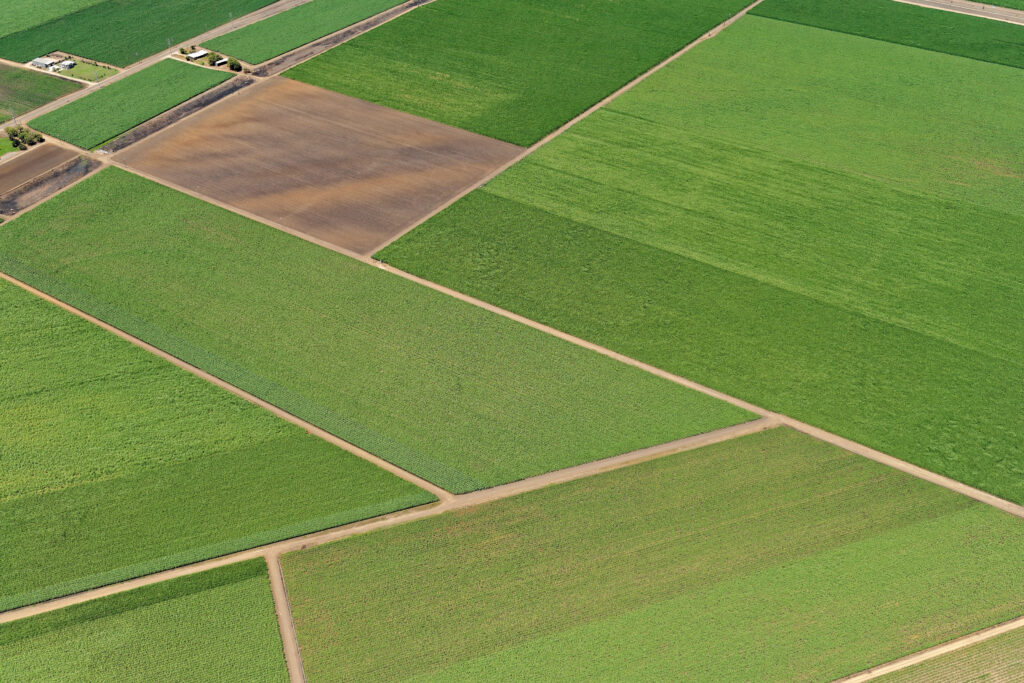

Aerial view of sugar cane field patterns near Ayr, North Queensland

1

Environment and climate

Life-cycle greenhouse gas emissions, and pollution to air, water and land.

In practice: under CORSIA, a fuel’s total emissions include a value for land-use change , added on top of the core calculation .

Boondall Wetlands at Nudgee Beach, Queensland

2

Land, water and biodiversity

What land is used and how it is managed, water use and quality, and effects on ecosystems.

In practice: European rules exclude fuels made from crops grown on land that was cleared from forest or other high carbon stock land .

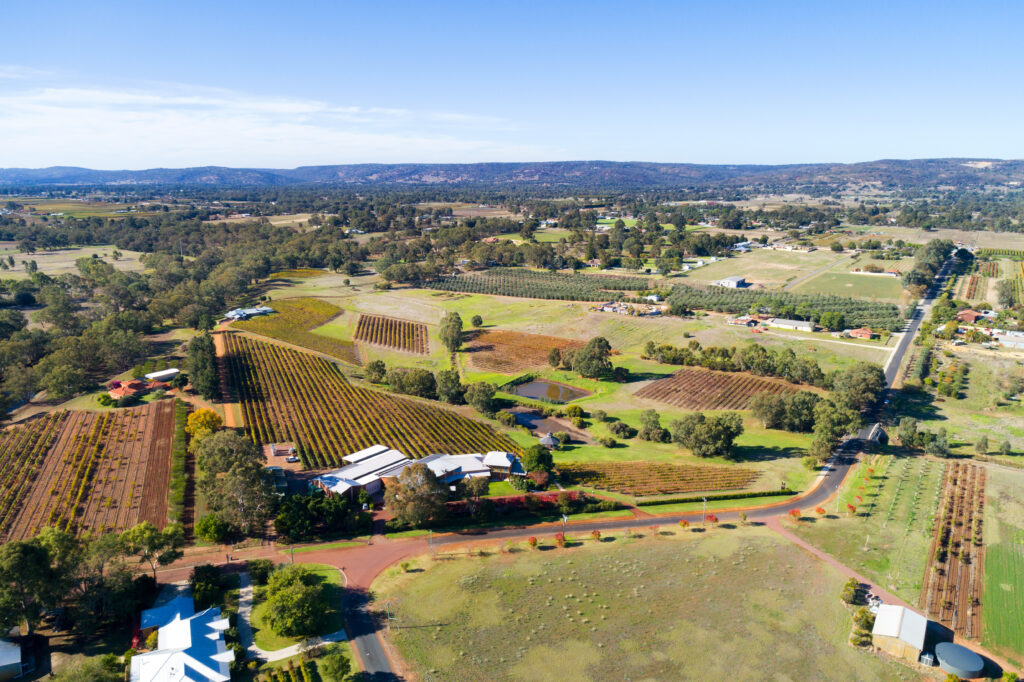
Aerial view of a rural region near Perth, Western Australia

3

People and communities

Working conditions, community consultation and consent, food security, and regional benefit. This includes how projects engage with First Nations peoples.

In practice: CORSIA requires fuel production in food insecure regions to strive to enhance local food security .

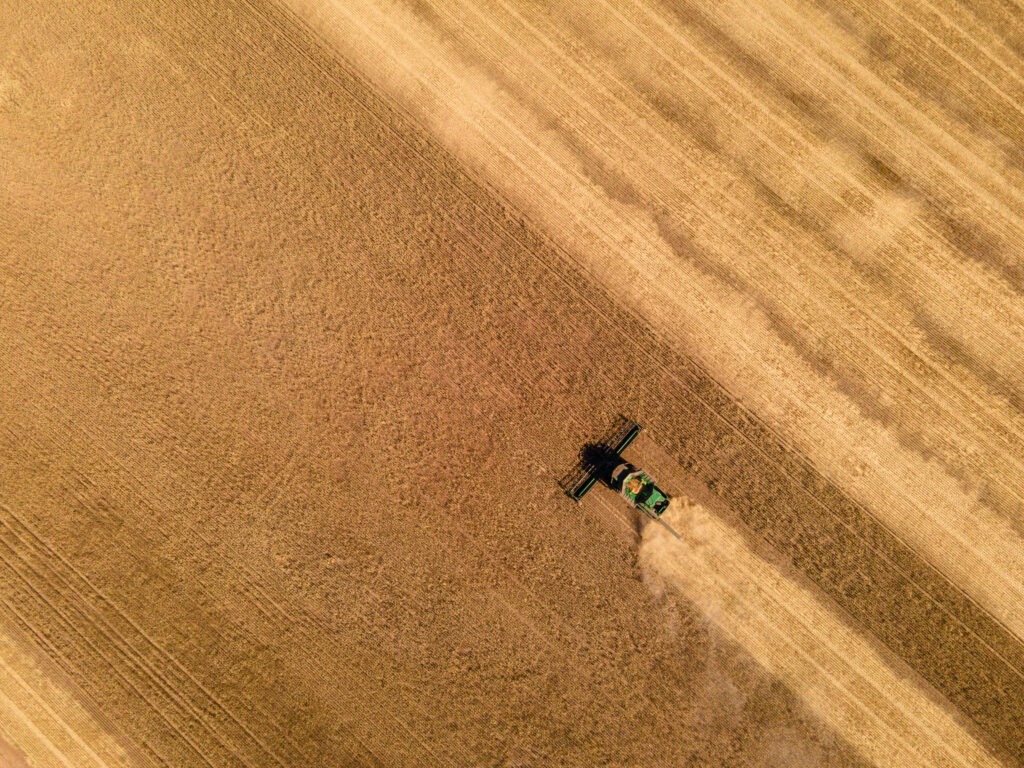
Harvester clearing a paddock after harvest

4

Resource use and circularity

Making productive use of wastes, residues and co-products, and using energy efficiently.

In practice: Australian research finds more than half of crop residues can be harvested for fuel while keeping the soil benefits of stubble retention . See Food, fuel and fibre.

How emissions are measured

Life-cycle assessment (LCA) is the method used to add up a fuel’s emissions from feedstock production through to end use. It lets different fuels be compared on the same basis , and it shows whether a fuel meets the minimum emissions reduction a scheme requires .

System boundary: everything inside is counted

Feedstock

Growing or collecting the material: farm inputs and land effects counted.

Processing

Converting the material into fuel: process energy counted.

Transport

Moving feedstock and fuel between each step.

Combustion

Burning the fuel: the final emissions in the journey.

Co-products such as canola meal and glycerine leave the boundary here and carry their share of emissions out of the total.

= Life-cycle emissions: the total a low carbon claim is judged on, compared with the fossil fuel it replaces

Three rules every scheme sets

Every scheme decides where the counting starts and stops, how shared emissions are split, and how much saving a fuel must show.

01

The system boundary

Where the counting starts and stops. ‘Well-to-wake’, used in aviation and shipping, counts everything from producing the feedstock to using the fuel in the engine. ‘Well-to-wheel’ is the road transport version .

02

The allocation rules

Sometimes one process makes several products from the same inputs, for example fuel and animal feed. Allocation rules split the emissions between those products, so nothing is counted twice or missed .

03

The threshold

The minimum saving a fuel has to achieve to count. Under European rules, for example, suppliers can meet their obligation by cutting the greenhouse gas intensity of transport energy by at least 14.5% by 2030 .

What life-cycle assessment does not cover

Biodiversity, working conditions and water stress sit outside a greenhouse gas calculation. Land-use change is handled differently by different schemes. CORSIA adds a land-use change value to the total . Other rules manage it by restricting which feedstocks qualify . This is why emissions measurement is used alongside sustainability criteria and independent audits, not instead of them .

Who sets the rules, and what each kind of rule does

Several different kinds of rules lay out how a fuel can be claimed as low carbon, and they do different jobs.

A · Emissions accounting

Measures and records how much greenhouse gas is produced in making a product. It does not judge anything else about the fuel.

B · Sustainability certification

Independent certification bodies audit producers against broader criteria covering land, water, biodiversity, labour and communities, laid out in certification schemes.

C · Market rules

Government rules that decide which fuels count towards a target or an obligation, and what a fuel must achieve to qualify.

Framework

Set by

What it does

Where it applies

Guarantee of Origin (GO) scheme

A · Emissions accounting

Australian Government (Clean Energy Regulator)

Records and certifies the emissions from producing a product .

Australia, voluntary

New South Wales biofuels mandate

C · Market rule

New South Wales Government

Sets minimum ethanol and biodiesel shares of fuel sold, and only biofuel that meets a sustainability standard counts .

New South Wales

Queensland biofuels mandates

C · Market rule

Queensland Government

Set minimum biobased shares of fuel sold, with an emissions saving and feedstock certification required to qualify .

Queensland

International Sustainability and Carbon Certification (ISCC)

B · Sustainability certification

ISCC (certification body)

Audits producers against sustainability, emissions and chain of custody criteria .

International, voluntary

Roundtable on Sustainable Biomaterials (RSB)

B · Sustainability certification

RSB (certification body)

Audits producers against environmental, social and traceability criteria .

International, voluntary

Renewable Energy Directive (RED III)

C · Market rule

European Union

Sets renewable energy and emissions targets for transport fuel, and rules on which fuels count .

European Union

Renewable Transport Fuel Obligation (RTFO)

C · Market rule

UK Government (Department for Transport)

Requires fuel suppliers to supply sustainable renewable fuel each year .

United Kingdom

Renewable Fuel Standard (RFS)

C · Market rule

US Environmental Protection Agency (EPA)

Requires transport fuel to contain minimum volumes of renewable fuel .

United States

Carbon Offsetting and Reduction Scheme for International Aviation (CORSIA)

C · Market rule

International Civil Aviation Organization (ICAO)

Sets the sustainability criteria a fuel must meet to count towards international aviation obligations .

International aviation

Resources

A selection from the library related to this page.

    • Report
    • 2025

    Securing our Fuel Future: Resilience Through Low Carbon Liquid Fuels

    Bioenergy Australia, prepared by Deloitte
    Bioenergy Australia report (prepared by Deloitte) outlining how low carbon liquid fuels could support Australia’s fuel resilience and emissions goals, with recommendations on policy, investment and supply-chain development.
    Read more
    • Certification scheme
    • 2026

    International Sustainability and Carbon Certification (ISCC) System

    International Sustainability and Carbon Certification (ISCC)
    International Sustainability and Carbon Certification (ISCC) is an independent global certification scheme covering sustainable biomass, bio-based materials, renewable fuels and circular economy products. ISCC is recognised under the International Civil Aviation Organisation’s (ICAO) CORSIA scheme, and is widely used across European Union renewable fuel pathways including aviation fuels under ReFuelEU Aviation and marine fuels under FuelEU Maritime.
    Read more
    • Certification scheme
    • 2026

    RSB Certification

    Roundtable on Sustainable Biomaterials (RSB)
    Roundtable on Sustainable Biomaterials voluntary sustainability certification scheme for biofuels, biomaterials and feedstocks, covering environmental, social and traceability criteria.
    Read more
    • Policy & program
    • 2024

    Queensland biofuels mandates

    Queensland Government, Business Queensland
    Queensland Government information on the state’s ethanol and biodiesel mandates for liable fuel sellers, including minimum biofuel content levels and reporting obligations.
    Read more
    • Policy & program
    • 2026

    Guarantee of Origin scheme (Australia)

    Clean Energy Regulator (CER)
    Australian Government webpage on the Guarantee of Origin scheme, a voluntary scheme that provides a transparent, publicly accessible record of the emissions associated with the production of key commodities. Administered by the Clean Energy Regulator, with policy development and emissions accounting methodologies the responsibility of DCCEEW.
    Read more
    • Legislation & regulation
    • 2023

    Renewable Energy Directive (RED III) amendment (Directive (EU) 2023/2413)

    European Union (EU)
    EU directive amending the Renewable Energy Directive (RED III), including updated renewable energy and transport provisions and sustainability rules that affect biofuels and other renewable fuel pathways.
    Read more
    • Guidance
    • 2026

    CORSIA Eligible Fuels

    International Civil Aviation Organization (ICAO)
    ICAO webpage hosting the five official ICAO documents governing CORSIA eligible fuels, which comprise CORSIA sustainable aviation fuels and CORSIA lower carbon aviation fuels. Covers the eligibility framework and requirements for sustainability certification schemes, the sustainability criteria, the approved certification schemes, and the default and actual life cycle emissions methodologies. These documents are referenced by Annex 16, Volume IV and may only be amended by the ICAO Council.
    Read more
    • Technical & scientific report
    • 2022

    Current Methods for Life-Cycle Analyses of Low-Carbon Transportation Fuels in the United States

    National Academies of Sciences, Engineering, and Medicine (NASEM)
    US National Academies report reviewing life-cycle analysis methods for low carbon transport fuels for potential use in a national low-carbon fuels program. It provides a toolkit for applying life-cycle assessment to estimate greenhouse gas emissions, including identifying the appropriate approach for a stated policy goal, reducing uncertainty and variability through verification and certification, and the core assumptions applicable to different fuel types.
    Read more