
Low carbon liquid fuels (LCLFs) reach users through connected supply chains. Each chain runs from sourcing the inputs, through converting them into fuel, checking that the fuel meets the required standards, and moving and blending it, to its final use in aircraft, ships, trucks, trains and industrial equipment.
Explore
Explore the supply chain
The five stages below cover what physically happens to the fuel, from input to end use. Select a stage to see what it involves.
Stage 1
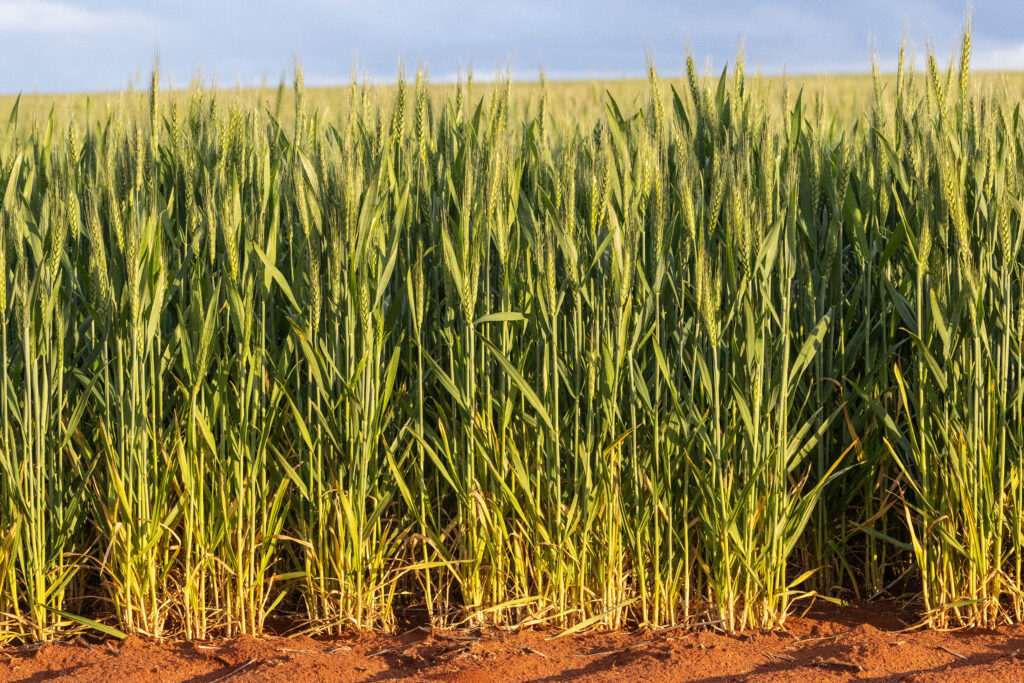
Feedstock Supply
Sourcing and preparing the inputs that can become fuel.
Stage 2
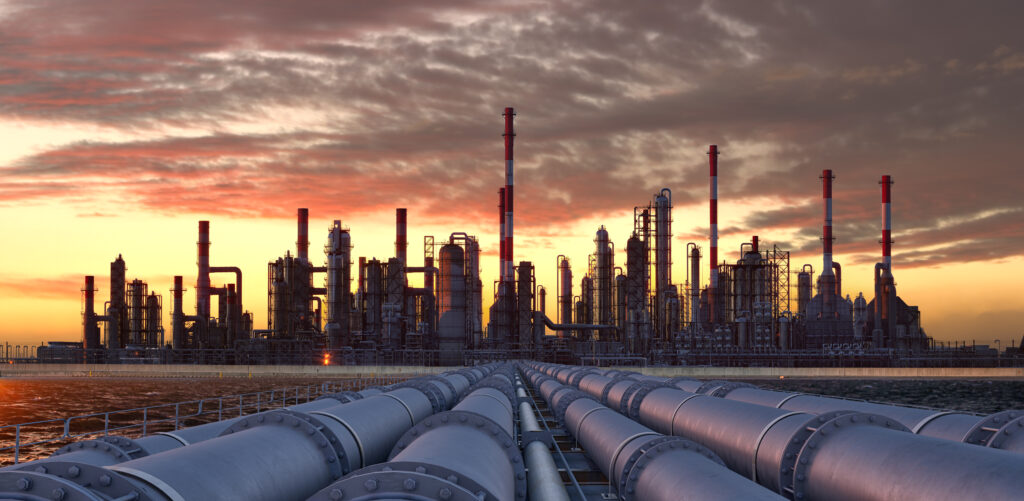
Conversion & Upgrading
Transforming inputs into fuels, intermediates or fuel components.
Stage 3
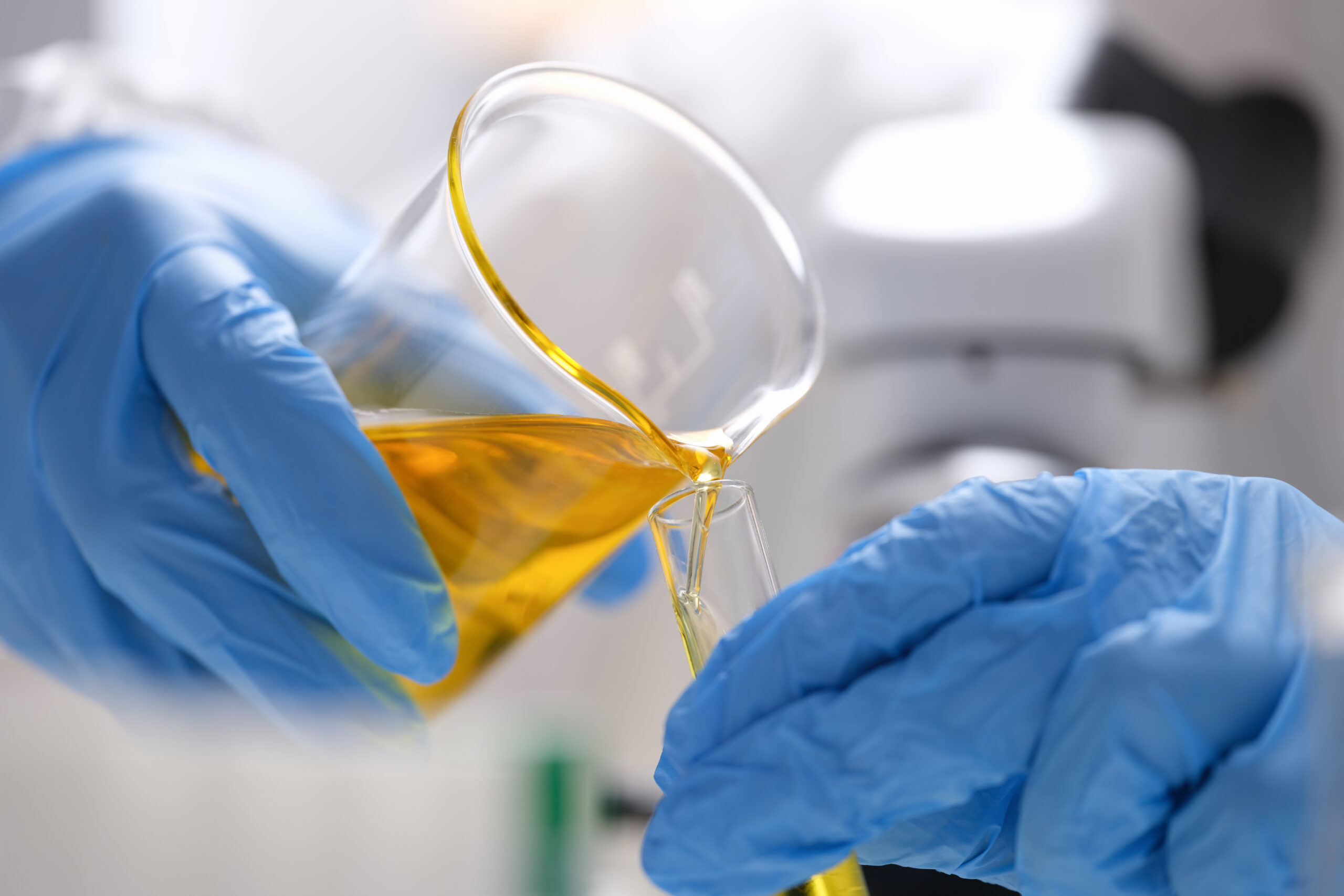
Fuel Certification & Quality Assurance
Checking fuel standards, testing and evidence requirements.
Stage 4
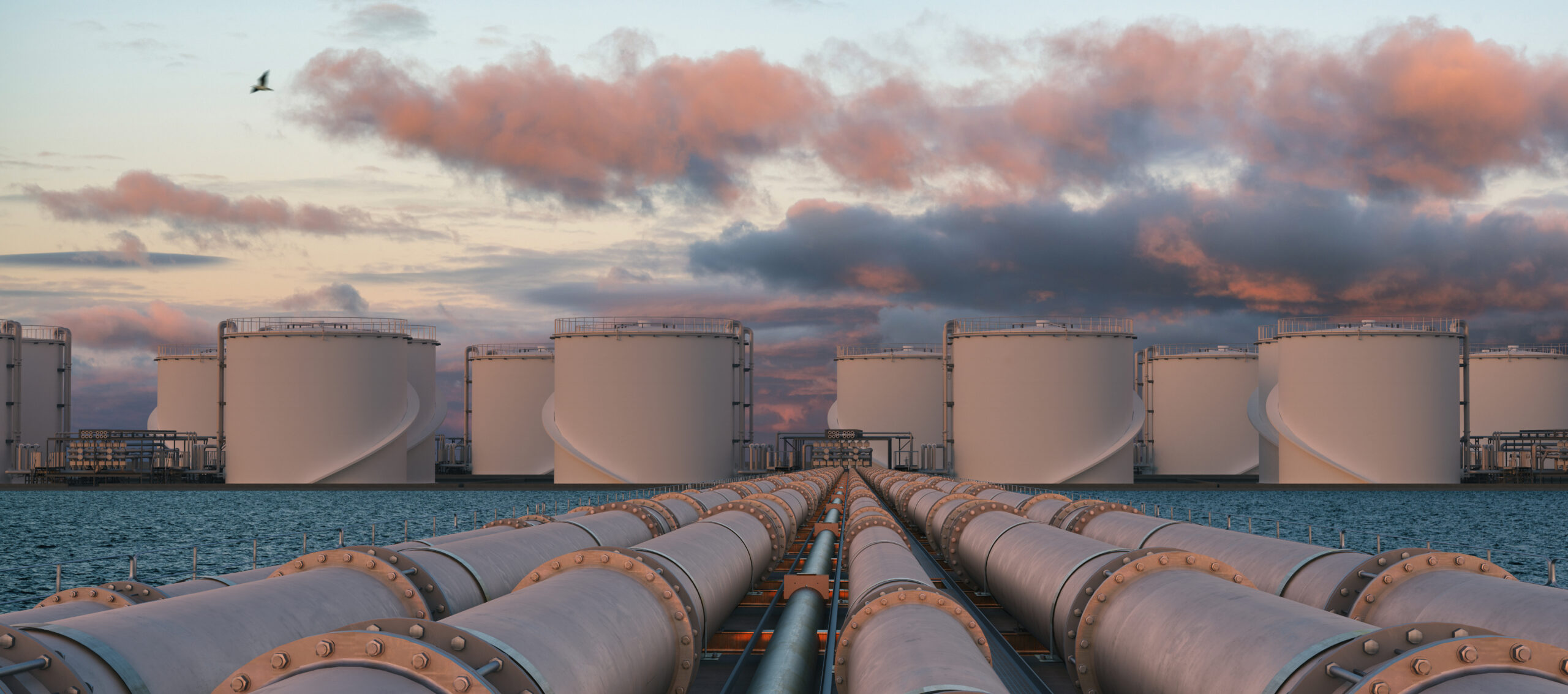
Storage, Logistics & Blending
Moving and blending fuels so they reach end users.
Stage 5

End-Use Applications
Matching fuels to aircraft, ships, trucks, trains and industrial equipment.
Across the whole value chain
These four things apply at every stage of the supply chain rather than at one point: how emissions are calculated, what sustainability criteria apply, how a fuel’s origin is tracked, and what policy and market forces shape which fuels get made.
Emissions & sustainability
How life-cycle emissions are estimated, and the sustainability criteria used to assess broader environmental and social considerations.
Traceability & chain of custody
How feedstock origin and fuel attributes are recorded, transferred and checked as materials move through the supply chain.
Policy & market drivers
Rules, incentives, customer requirements and market signals that influence which fuels are produced, traded and consumed.
A supply chain, not a single pathway
Low carbon liquid fuels are not made in one single way. Some pathways use biomass, wastes and residues as inputs. Others use renewable electricity to produce hydrogen, which can be combined with a carbon source, such as captured carbon dioxide, to make liquid fuels. Different routes require different conversion technologies, infrastructure, standards and evidence.
The five-stage supply chain structure helps understand these different pathways without suggesting that every fuel is made in the same way. A renewable diesel pathway, a sustainable aviation fuel pathway and an electricity-based fuel pathway may share the same broad supply chain stages, but the inputs, facilities, documentation and end-use requirements differ.
Assurance is also carried out through the supply chain. Emissions estimates, sustainability information, quality testing and chain-of-custody records may be collected at different points and checked against relevant standards or certification systems before fuel is supplied to an end-use market.
Keep exploring
Resources
A selection from the library related to this page.