
Low carbon liquid fuels (LCLFs) are made by turning feedstocks into liquid fuels and then refining those fuels, so they meet the specifications needed for storage, transport and use. Production involves a range of technologies and facilities and there are several commercial factors that shape whether a project succeeds.
Explore
How a feedstock becomes a fuel
Most low carbon liquid fuels go through two broad stages, conversion and upgrading. An intermediate product is often made along the way.
Feedstock
the starting material: crops, wastes, oils and fats, or renewable hydrogen with captured carbon dioxide
Conversion
heat, pressure, microbes or catalysts turn the feedstock into a liquid
Upgrading
the liquid is refined until it meets the standard for a finished fuel
Finished fuel
ready to use, and meets the fuel quality standard for its type
Intermediate
a product made partway along the route that needs more processing before it can be used as a fuel
Some intermediates are also sold as products in their own right, for example as chemicals or industrial inputs.
Main technology families
There are a variety of processing technologies that convert and upgrade low carbon liquid fuels. These families describe the main pathways that different feedstocks can be converted into liquid fuels. Depending on the technology, the final product may be a finished fuel, blend component or an intermediate that needs further upgrading to meet fuel specifications.
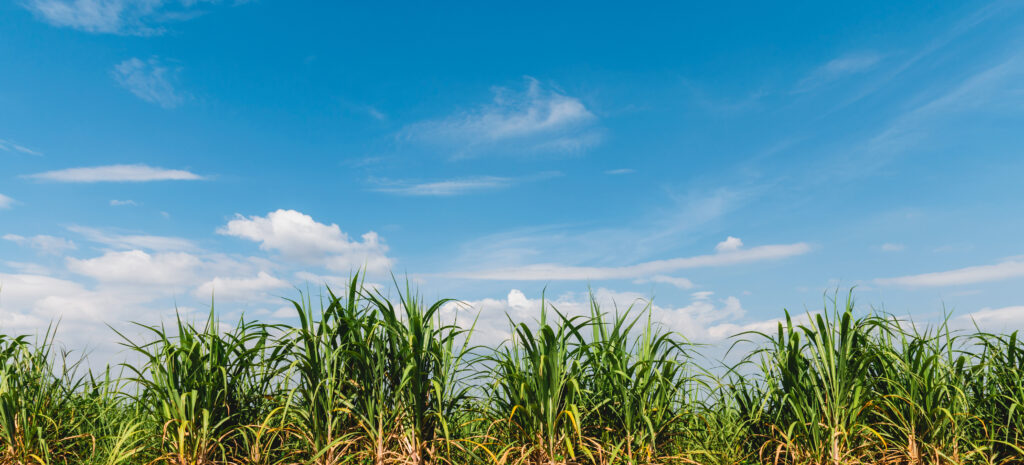
Biological routes
Micro-organisms such as yeast and bacteria, or the enzymes they produce, feed on sugars and other plant material and turn them into alcohol and similar liquids. It is the same basic process used to brew beer.
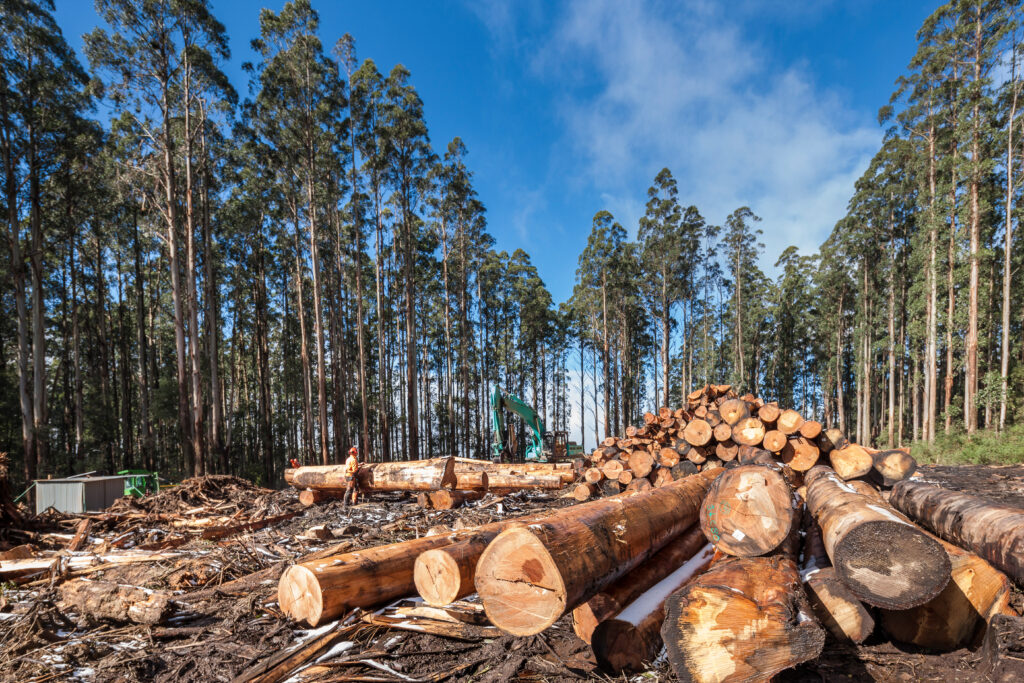
Thermochemical routes
Thermochemical routes use heat and pressure. Plant material and organic waste are broken down at high temperature into a gas or a thick, crude liquid. Neither can go straight into an engine. Both need further processing before they become a usable fuel.
Catalytic upgrading of oils and fats
Everyday oils and fats are the starting point: vegetable oils, animal fats and used cooking oil. Hydrogen and a catalyst, which is a substance that speeds up a chemical reaction, strip the oxygen out of them. What is left is chemically the same as the diesel or jet fuel refined from crude oil.
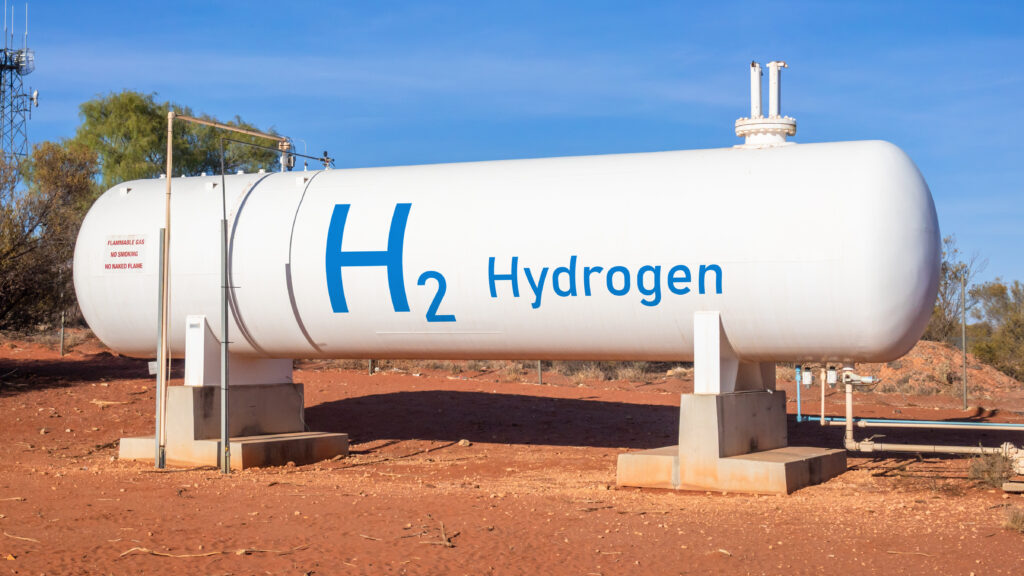
Power-to-liquids (PtL) / e-fuels
This route uses no plant or waste material at all. Renewable or low carbon electricity is used to split water into hydrogen and oxygen. This step is called electrolysis. The hydrogen is then combined with carbon dioxide captured from the air or from industrial sites, and built up into a liquid fuel.
Where low carbon liquid fuels are produced
Low carbon liquid fuel production happens in different facility types, ranging from purpose-built plants to existing oil refineries running renewable feedstocks alongside fossil ones. The choice of facility depends on feedstock, fuel target, scale and economics.
Commercial factors
Whether a low carbon liquid fuel project moves from concept to operation depends on several practical factors beyond the underlying technology choice.
Capital intensity and scale
Projects carry high upfront capital costs. Finance generally requires confidence in feedstock supply over the project’s life, a clear path to market and stable demand – usually underpinned by long-term offtake agreements, government incentives or emissions-reduction mandates in target markets.
Technology readiness
TRL stands for technology readiness level, a nine-point scale for how developed a technology is. TRL 1-3 covers laboratory research and concept testing, TRL 4-6 covers pilot-scale demonstration, and TRL 7-9 covers technologies proven in full-scale commercial operation.
Co-products
Most pathways produce more than one product: a Fischer-Tropsch plant yields sustainable aviation fuel, renewable diesel and naphtha from one syngas stream, and a HEFA refinery yields aviation fuel and renewable diesel from one hydrotreated stream. By-products such as electricity, heat, animal feed, lignin or glycerol can impact on whether a project is commercially viable.
Site and supply-chain fit
Successful projects align feedstock catchments, infrastructure (steam, water, electricity and hydrogen supply), workforce, transport links and proximity to fuel offtake. Australian projects must also fit state and federal regulatory frameworks, including Australian fuel quality standards and sustainability certification.
Keep exploring
Resources
A selection from the library related to this page.